






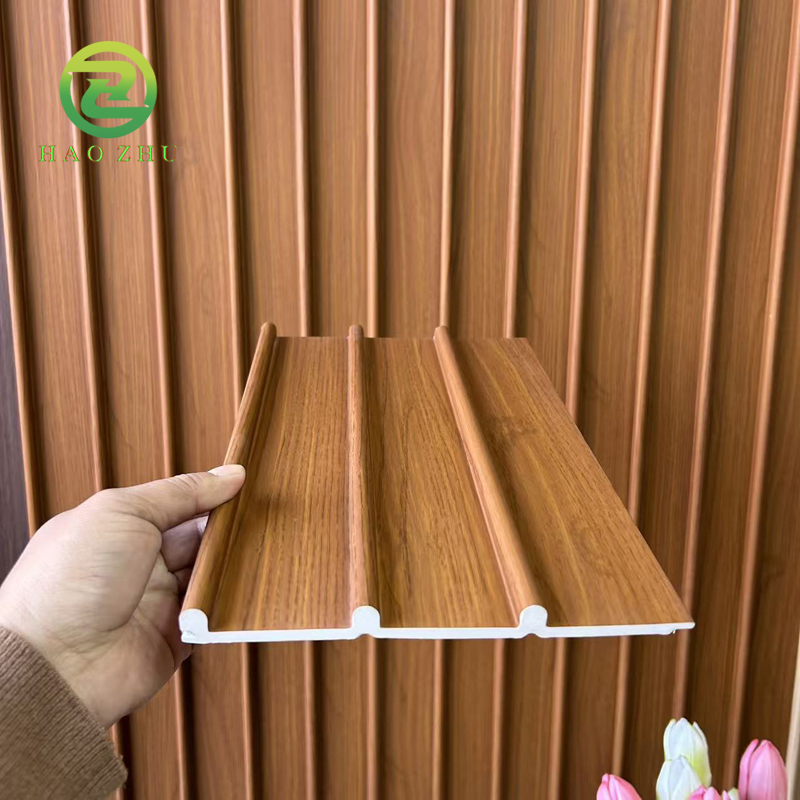
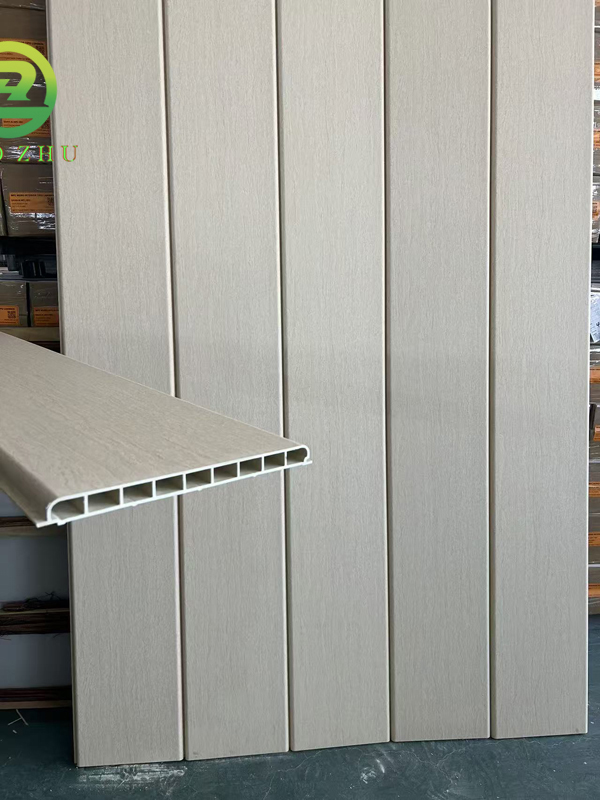

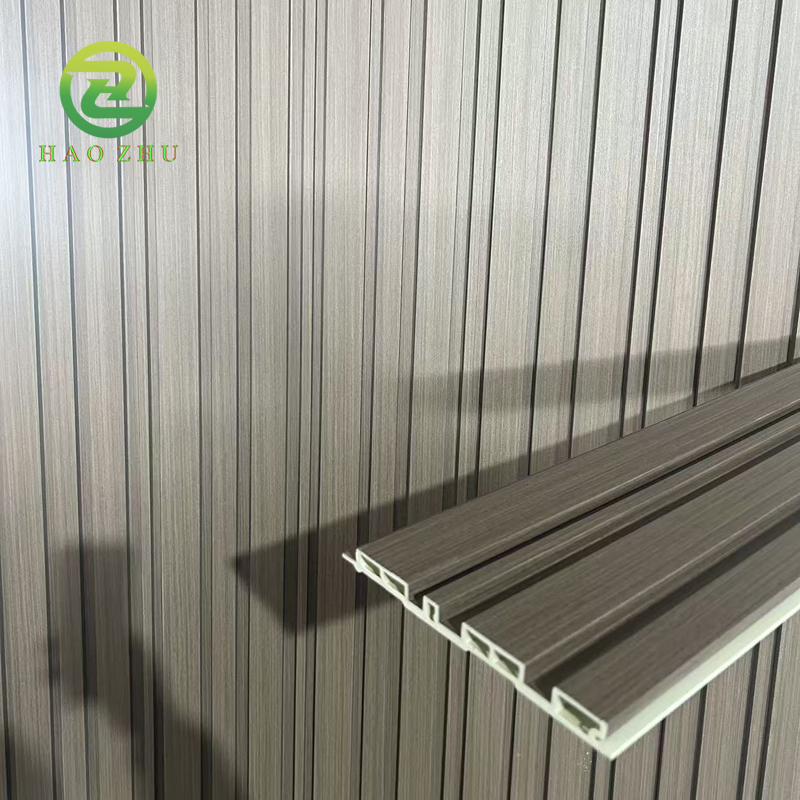
Introduction to Wood-Plastic Sound Absorbing Panels
Introduction to Wood-Plastic Sound Absorbing Panels
Wood-plastic sound absorbing panels are innovative acoustic materials that combine wood fibers with thermoplastic polymers to create panels that offer both sound absorption and decorative appeal. By integrating natural wood texture with modern polymer technology, these panels deliver acoustic performance while maintaining durability, moisture resistance, and aesthetic flexibility.
Material Composition
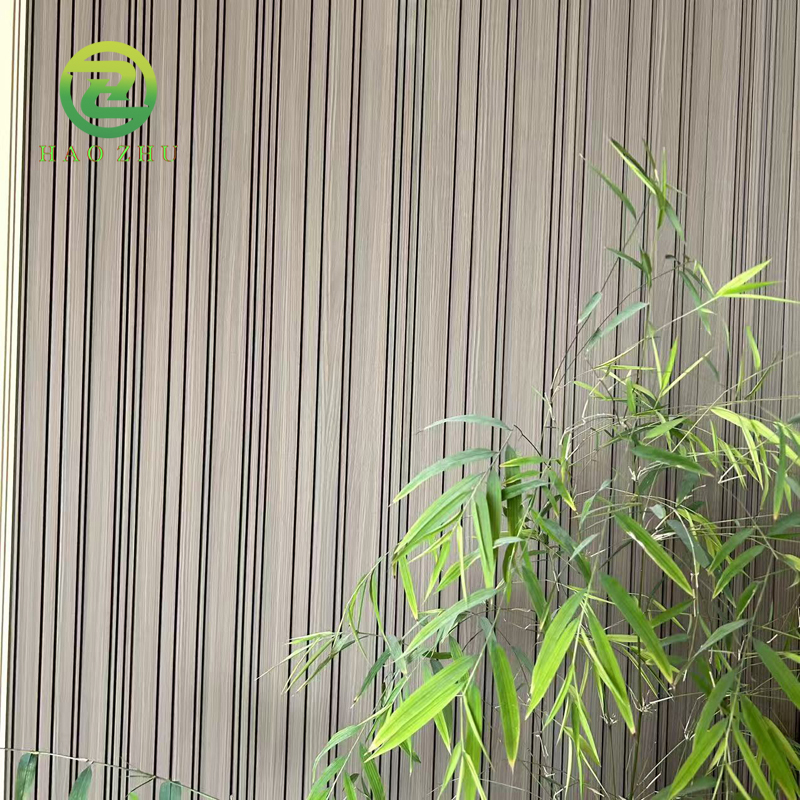
Wood-plastic sound absorbing panels are typically made from:
Natural wood powder or fibers
Plastic materials such as PVC, PE, or PP
Additives for UV resistance, fire retardancy, and structural stability
The panels often feature perforated surfaces, slotted designs, or porous cores, which enhance their ability to absorb sound waves and reduce noise reflection.
Acoustic Performance
These panels are designed to:
Reduce reverberation and echo
Improve speech clarity
Absorb mid- and high-frequency noise
They are commonly used in environments where acoustic comfort is important, such as offices, conference rooms, theaters, schools, hotels, and commercial interiors.
Key Advantages
Effective sound absorption with stable acoustic performance
Moisture-resistant and mold-resistant, suitable for humid environments
Durable and low-maintenance compared to traditional wood panels
Eco-friendly, often incorporating recycled materials
Aesthetic versatility, available in various colors, textures, and finishes
Applications
Wood-plastic sound absorbing panels are widely applied in:
Commercial and office buildings
Public spaces and transportation hubs
Residential interiors
Recording studios and performance venues
Conclusion
By combining functional acoustics with modern design and environmental benefits, wood-plastic sound absorbing panels provide a practical and visually appealing solution for contemporary architectural and interior acoustic needs.