







How to Choose High-Quality WPC Products
1. Understand What “High-Quality” Means for WPC
A high-quality WPC product typically has:
Strong mechanical performance (durability, load-bearing)
Excellent weather resistance (UV, moisture, thermal stability)
Low maintenance & long service life
Good aesthetic finish & color stability
Reliable manufacturer support & warranty
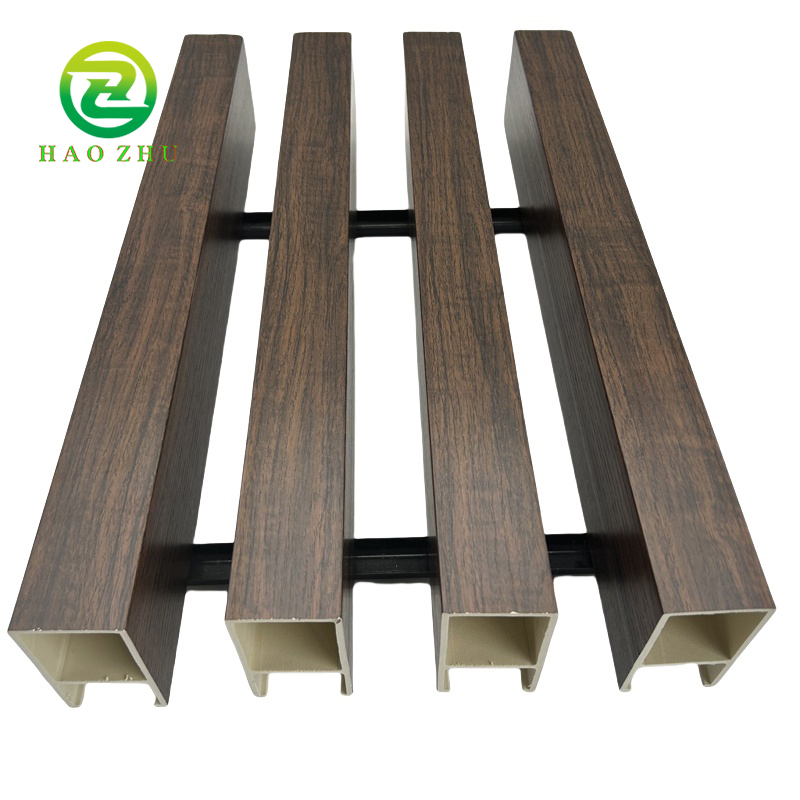
High quality stems from materials, design, manufacturing process, and testing.
2. Look at the Material Composition
A superior WPC should have:
Optimal Wood–Plastic Ratio
Too much wood filler → weaker and absorbs moisture
Too much plastic → loses natural wood feel
A balanced ratio (often around 50-60% wood, 40-50% plastic) gives good strength and durability.
High-Grade Raw Materials
Virgin polymers (not recycled plastic) tend to give better long-term performance
High-quality wood fibers (sawdust, bamboo flour, wood flour) help surface texture
Additives such as:
UV stabilizers
Anti-oxidants
Coupling agents (improve wood-plastic bonding)
Anti-fungal/mold agents
👉 Ask the supplier for the material formulation and test results.
3. Choose the Right Product Structure
Solid vs. Hollow Boards
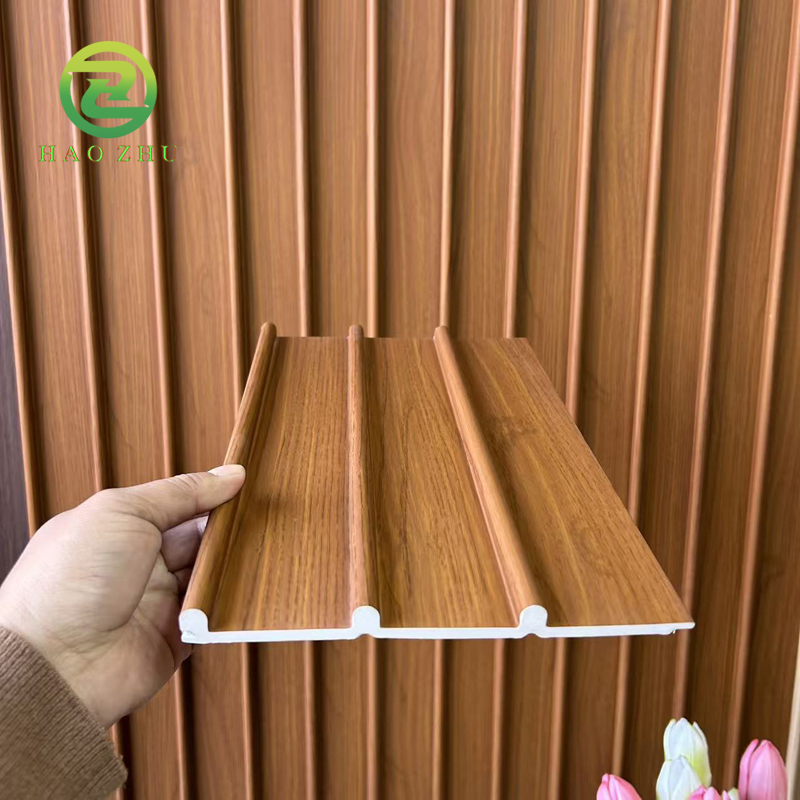
Solid WPC: stronger, heavier, better load-bearing — ideal for decking or heavy use.
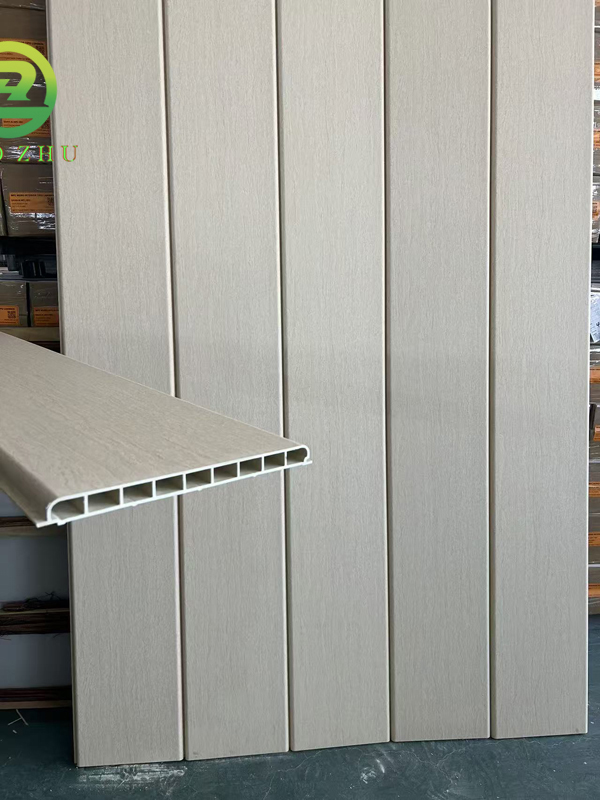
Hollow WPC: lighter and cheaper — good for non-load-bearing areas or interiors.
For outdoor decks or high-traffic floors, solid or dense profiles usually perform better.
4. Surface Quality & Protection
Capped vs. Uncapped
Capped WPC has a protective polymer layer → better:
UV resistance (less fading)
Moisture resistance
Stain resistance
Uncapped is more budget-oriented and less durable outdoors.
High-quality WPC = always capped for exterior use.
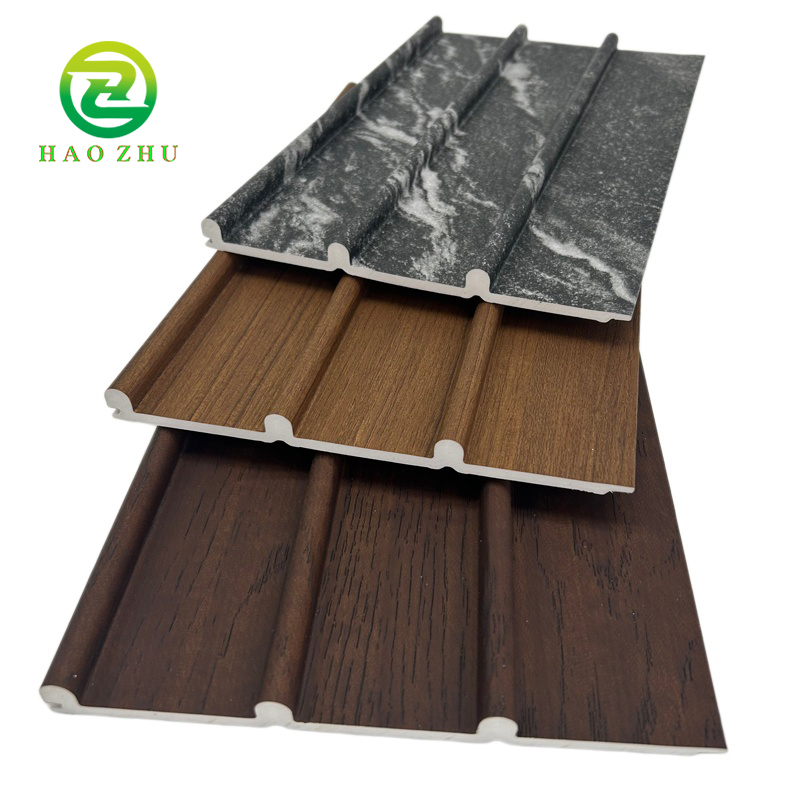
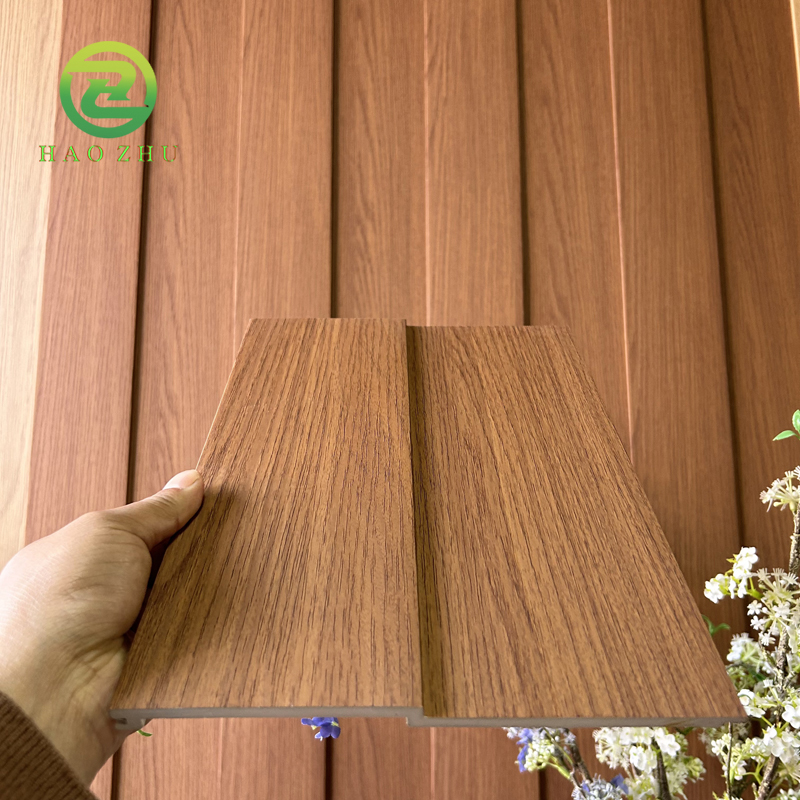
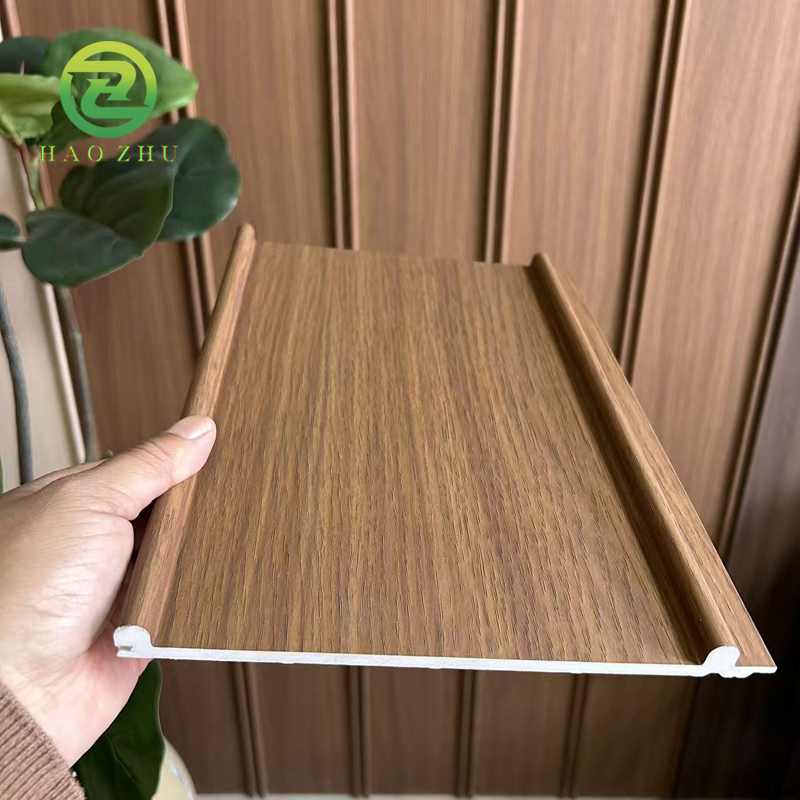
Surface Texture
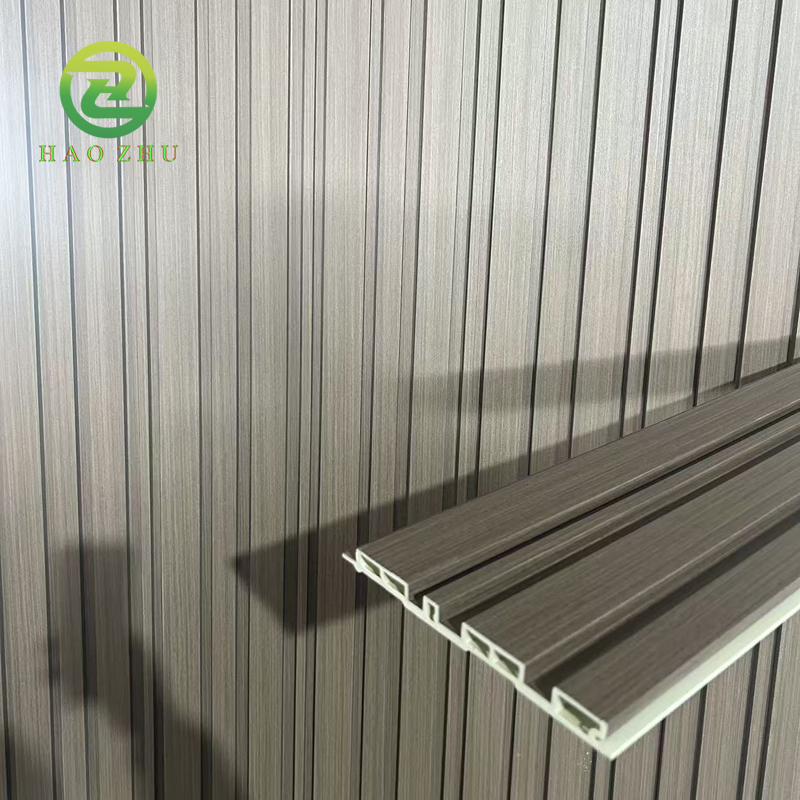
Deep wood grain and embossing improve slip resistance and hide small scratches.
Uniform texture and consistent grain show better manufacturing control.
5. Weather & Performance Ratings
A high-quality WPC product should have lab-tested performance data:
UV & Color Fade Resistance
High UV protection prevents discoloration over time.
Water Absorption
Low absorption (< 0.5% in good quality products)
Lower swelling and deformation
Fire Resistance (if required)
Some projects require specific flame-spread ratings.
Ask for test certificates or reports from independent labs.
🪛 6. Installation & Compatibility
Well-designed WPC products should:
Support hidden fasteners or modular systems
Have precise dimensional accuracy (straight boards, uniform thickness)
Include compatible accessories (clips, screws, end caps)
Better engineering equals easier, cleaner installation with fewer callbacks.
7. Aesthetics & Color Stability
High-quality WPC products feature:
Uniform colors with minimal variation
Realistic wood grain that doesn’t fade quickly
⬆️ Fade control additives that keep color for years
Always view physical sample pieces in natural light before buying.
8. Warranties & Certifications
Strong indicators of quality:
Warranty
10–25+ years on structural integrity
UV/color warranty (if exterior)
Certifications
Look for:
ISO quality standards
Regional building code compliance
ASTM or similar performance standards
Products backed by solid warranties and certifications are usually better engineered and tested.
9. Choose a Reputable Brand or Supplier
Good manufacturers typically:
Provide detailed technical data sheets
Offer after-sales support
Can explain:
Material specs
Test results
Installation guidelines
Have a track record with verified projects
Avoid suppliers who can’t answer technical questions or provide specs.
10. Match Product to Environment & Use
Environment / Use What to Prioritize
Hot, sunny outdoors High UV resistance, capped surface
Coastal / humid areas Low water absorption, antifungal additives
High-traffic floors Solid boards, high density
Walls & ceilings Lighter profiles with good finish
Commercial spaces Certified load/fade/fire ratings
Final Checklist Before You Buy
Material composition & additives known
High density/solid construction where needed
Capped with strong surface protection
Tested UV, moisture, and durability performance
Good slip resistance (for floors)
Strong brand warranty & certifications
Compatible installation system
Positive reviews or reference projects