






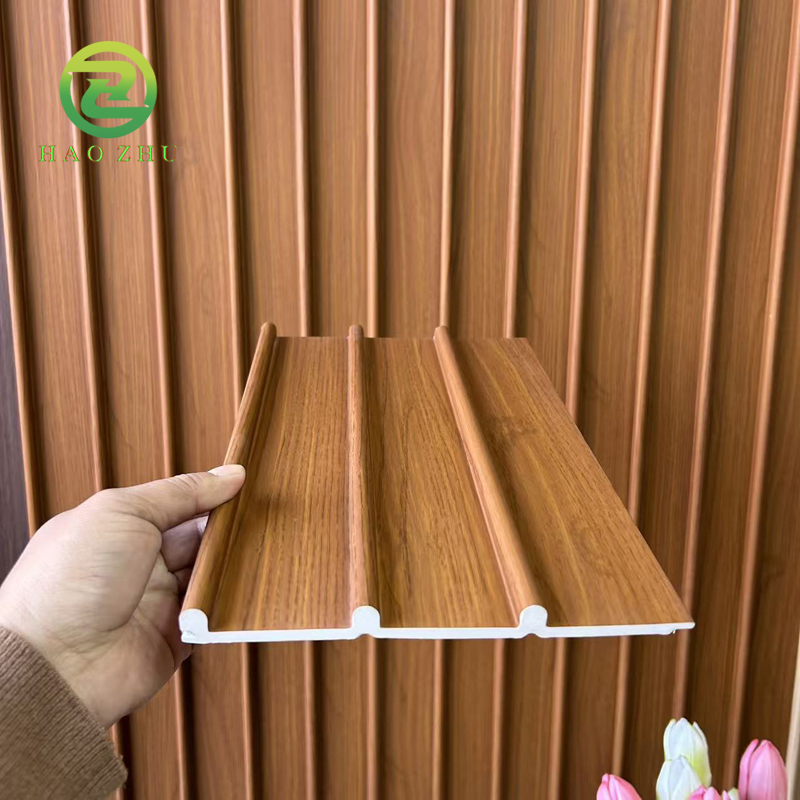
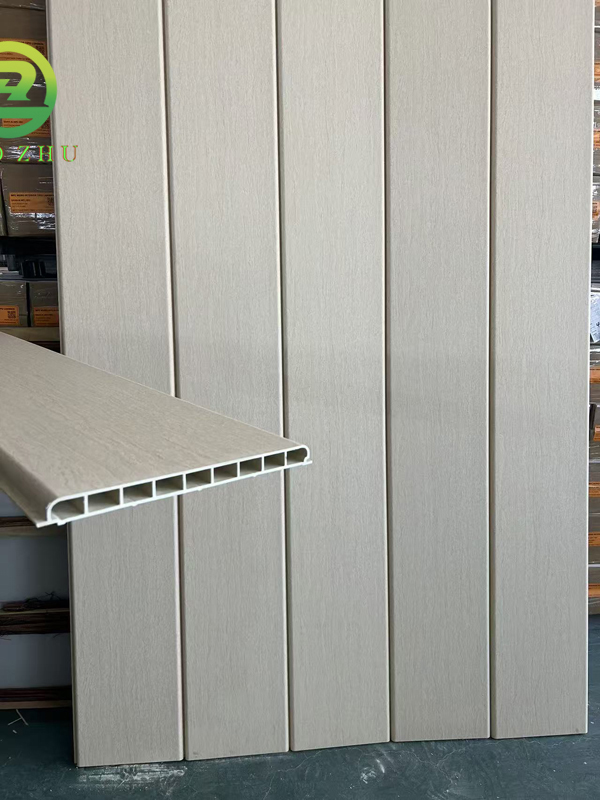

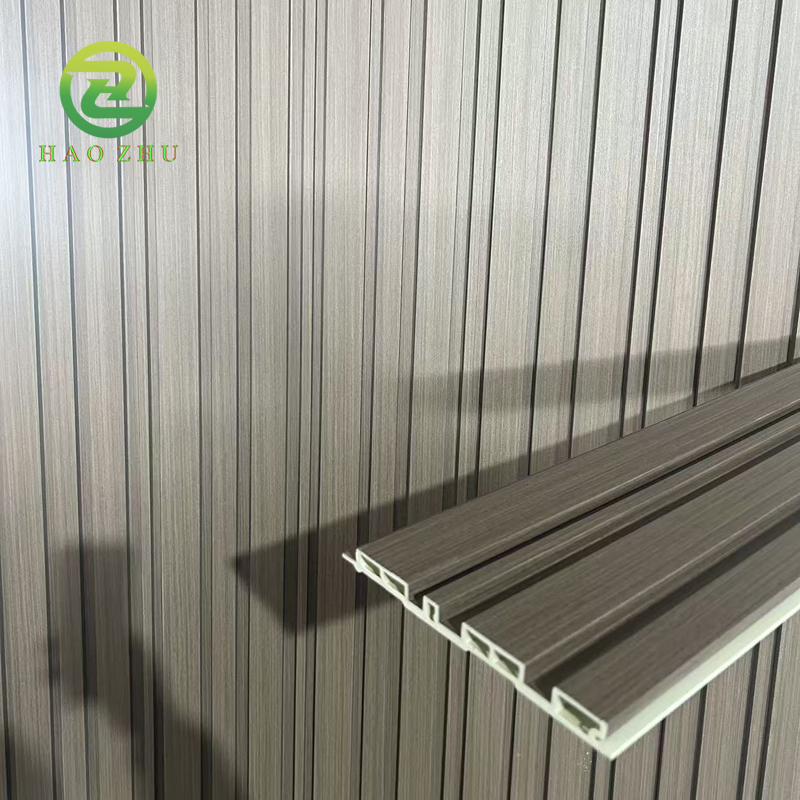
Introducing the components of WPC wall panels
Here’s a clear, professional introduction to the components of WPC wall panels, suitable for brochures, websites, presentations, or sales explanations.
Components of WPC Wall Panels
WPC (Wood Plastic Composite) wall panels are made from a carefully engineered blend of materials that combine the natural look of wood with the durability of polymers. Each component plays a specific role in performance and quality.
1. Wood Fiber / Wood Powder
Function: Provides natural appearance and texture
Usually made from recycled wood fiber or bamboo fiber
Gives the panel a realistic wood-like look and feel
Improves rigidity and surface texture
Key advantage:
Enhances aesthetics while reducing reliance on solid wood
2. Thermoplastic Resin (Plastic)
Function: Acts as the binding material
Commonly HDPE, PVC, or PP (depending on product type)
Encapsulates wood fibers to improve strength and moisture resistance
Prevents cracking, warping, and water absorption
Key advantage:
Ensures durability, flexibility, and dimensional stability
3. Additives
Function: Improve performance and longevity
Typical additives include:
Stabilizers – enhance heat and dimensional stability
UV inhibitors – reduce color fading (important even for indoor lighting)
Lubricants – improve processing and surface finish
Anti-aging agents – extend service life
Key advantage:
Optimizes long-term performance and processing quality
4. Color Masterbatch
Function: Provides consistent color
Pre-mixed pigments ensure uniform coloring throughout the panel
Color is integrated into the material, not painted on
Key advantage:
Long-lasting color that does not peel or flake
5. Optional Surface Layer (for Co-extruded WPC)
Function: Extra surface protection
Made from advanced polymer materials
Improves scratch resistance, stain resistance, and color stability
Key advantage:
Enhanced durability and premium appearance
Summary (One-Sentence Version)
WPC wall panels are composed of wood fiber, high-quality plastic resin, functional additives, and color masterbatch—engineered together to deliver a stable, eco-friendly, and visually appealing interior wall solution.