






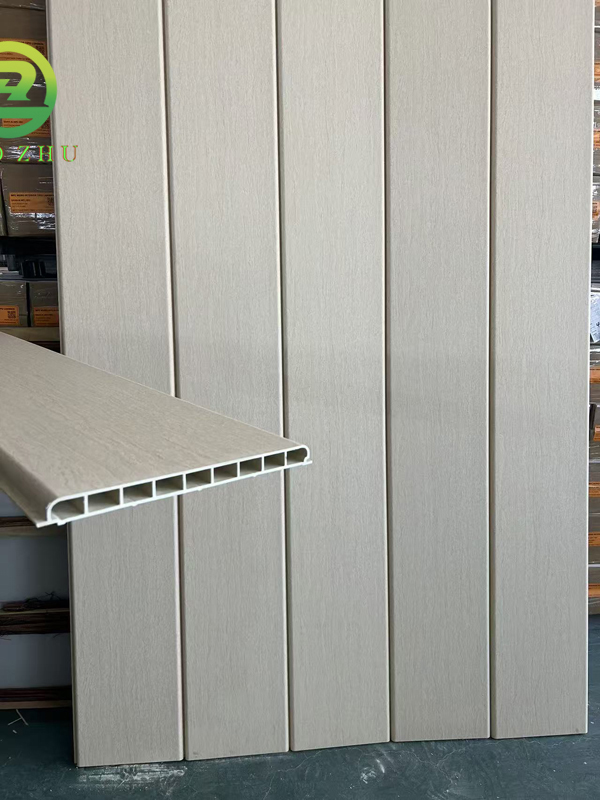

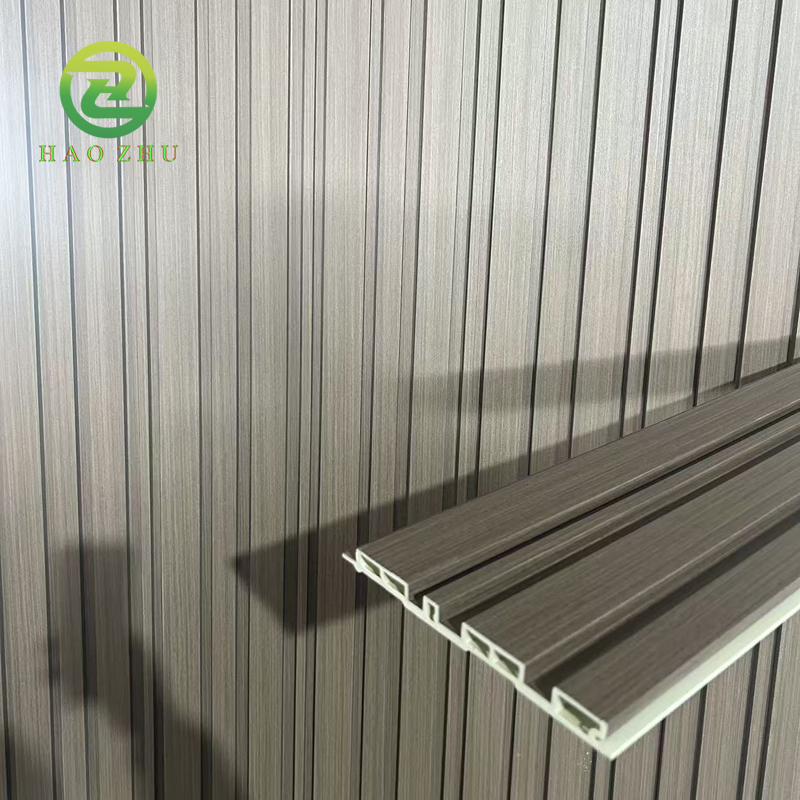
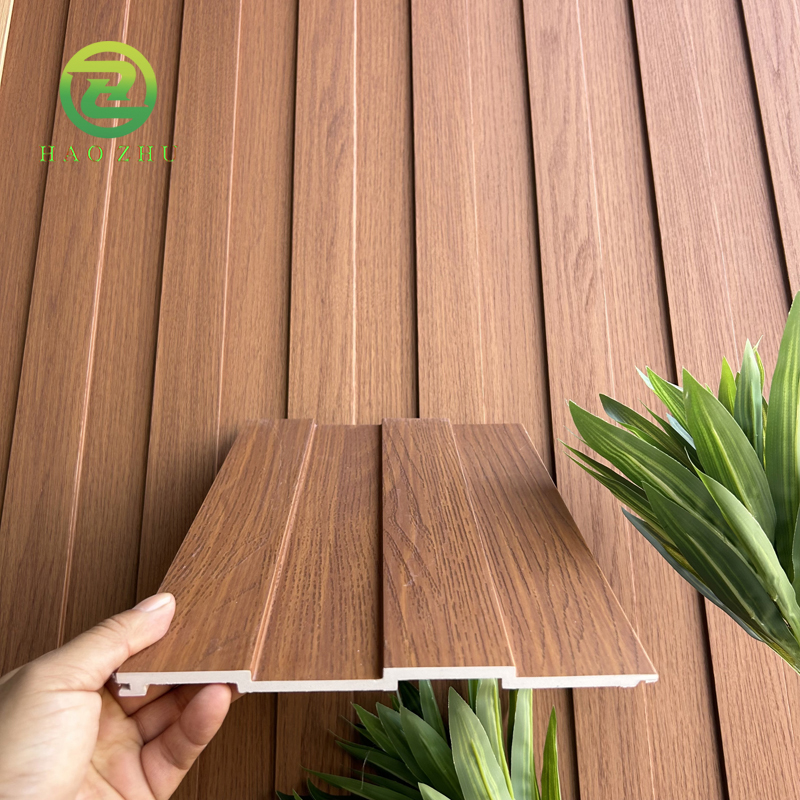
Comprehensive introduction to WPC wall panels
WPC boards, short for Wood-Plastic Composite boards, are a revolutionary and eco-friendly engineered building material that has rapidly gained prominence in the construction, interior design and outdoor landscaping industries. Blending the best attributes of natural wood and thermoplastic polymers, these boards are crafted as a high-performance alternative to traditional solid wood, plywood, MDF and other conventional lumber, addressing the inherent limitations of natural wood while delivering enhanced durability and versatility.
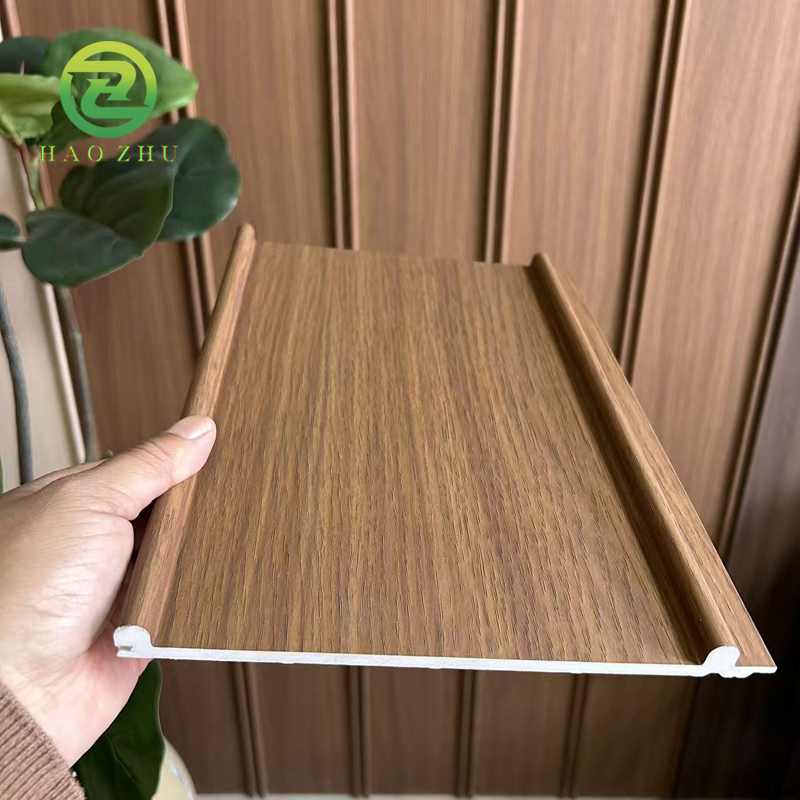
At their core, WPC boards are manufactured by combining wood fibers, wood flour, bamboo powder or agricultural crop residues (such as rice husks and straw) with thermoplastic resins—most commonly polyethylene (PE), polypropylene (PP), polyvinyl chloride (PVC) or polylactic acid (PLA). The production process involves high-temperature melting, uniform mixing, extrusion or compression molding, and precision shaping, with small amounts of stabilizers, UV inhibitors, colorants and coupling agents often added to boost performance, weather resistance and aesthetic appeal. This unique composition fuses the natural texture and warm appearance of wood with the waterproof, corrosion-resistant and low-maintenance traits of plastic.
One of the most standout features of WPC boards is their exceptional durability. Unlike natural wood, they are highly resistant to water penetration, moisture absorption, rot, decay and termite infestation, making them ideal for high-humidity and outdoor environments. They also boast excellent weatherability, standing up to extreme temperatures, UV radiation and frequent temperature changes without warping, cracking, fading or deteriorating over long periods. Additionally, WPC boards require minimal upkeep: there is no need for regular painting, varnishing or sealing like natural wood, and they can be easily cleaned with simple water and mild detergent, cutting down long-term maintenance costs and effort significantly.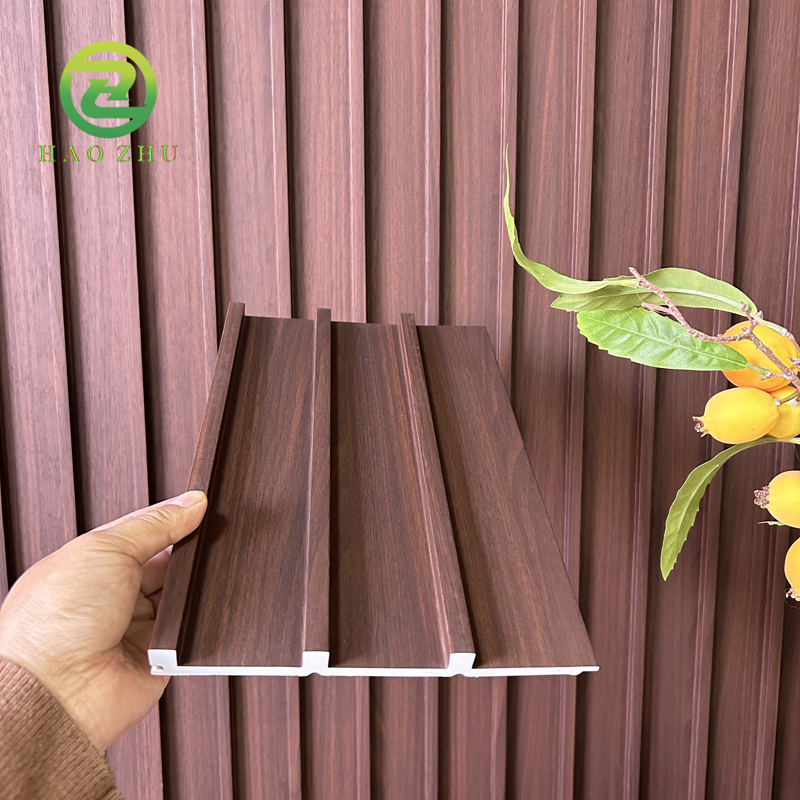
Environmentally, WPC boards are a sustainable choice. They utilize recycled wood waste and recycled plastic materials in production, reducing the demand for virgin timber and minimizing plastic pollution, which aligns with global green and low-carbon development goals. Unlike solid wood, their manufacturing does not rely on large-scale tree felling, helping to preserve forest resources. They are also non-toxic, formaldehyde-free and free of harmful volatile organic compounds (VOCs), making them safe for both indoor and outdoor use.
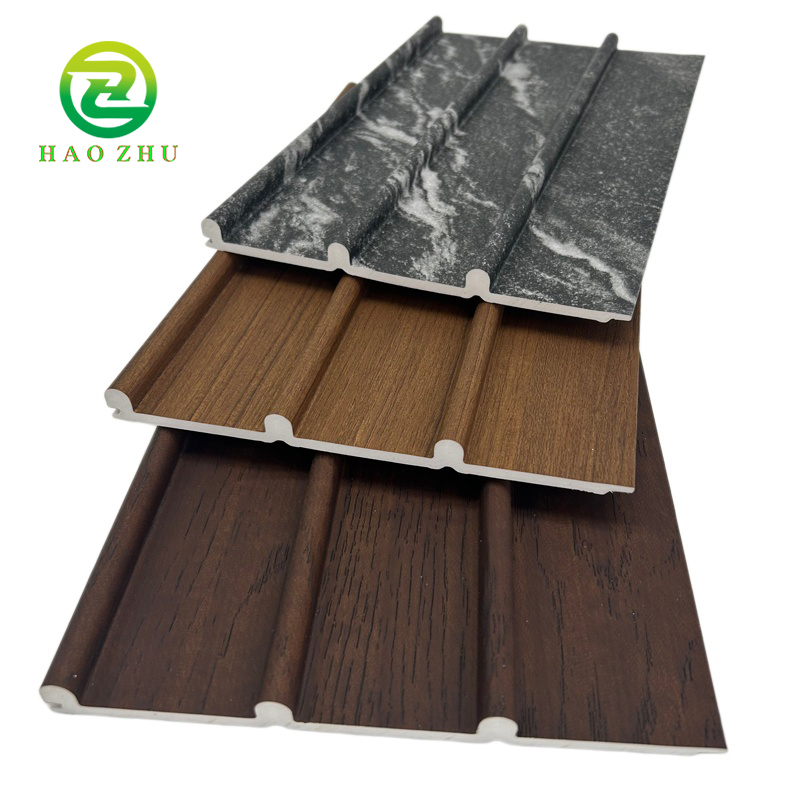
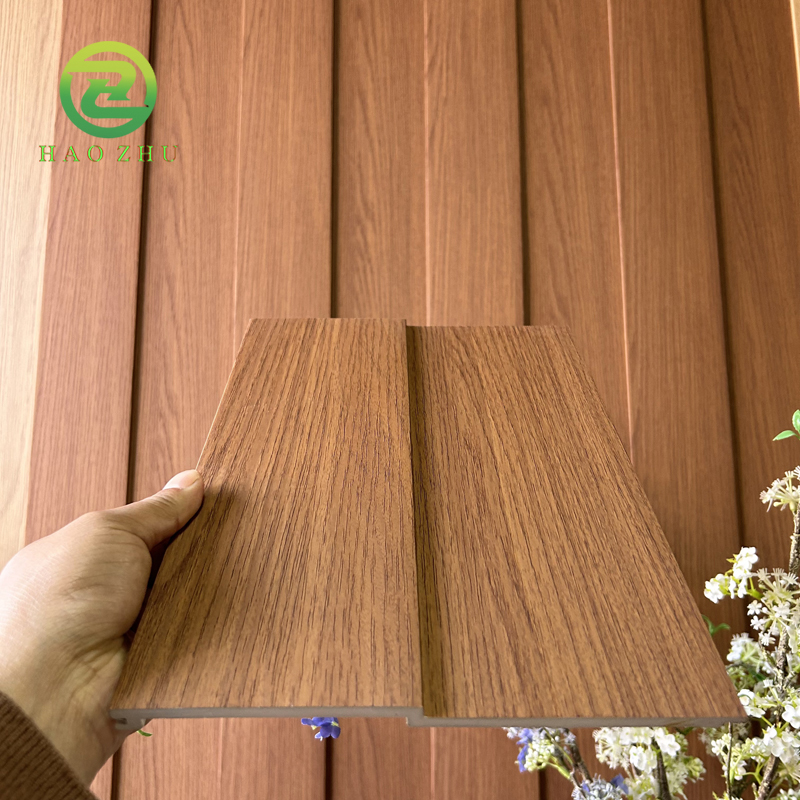
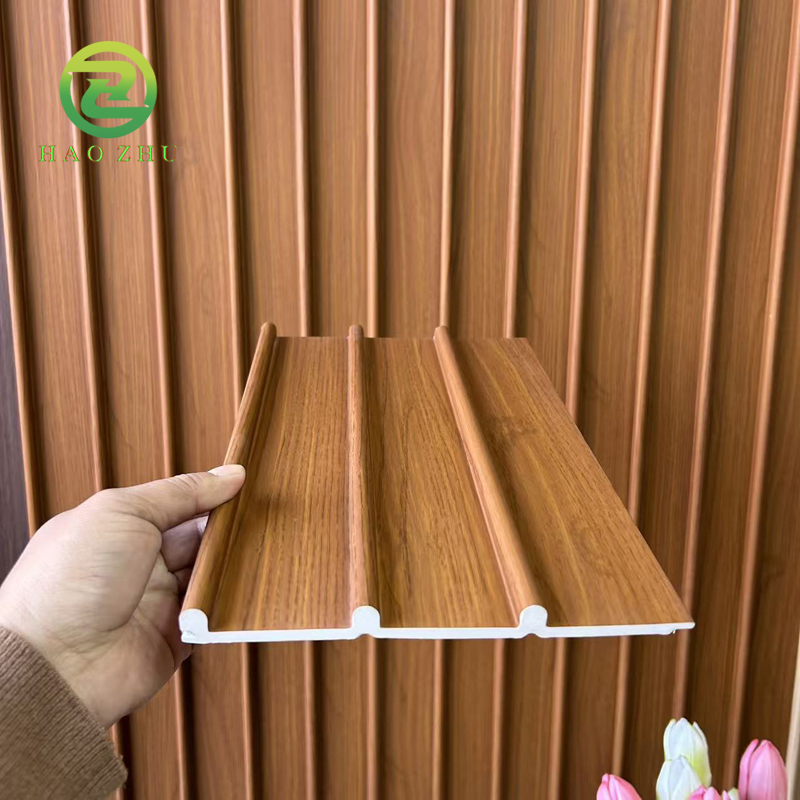
In terms of practicality, WPC boards offer great workability—they can be cut, drilled, nailed and glued using standard woodworking tools, just like natural wood, allowing for flexible installation and customization to fit diverse design needs. They come in a wide range of sizes, colors, textures and finishes, mimicking the look of natural wood grain to suit various decorative styles, from modern minimalist to classic rustic.
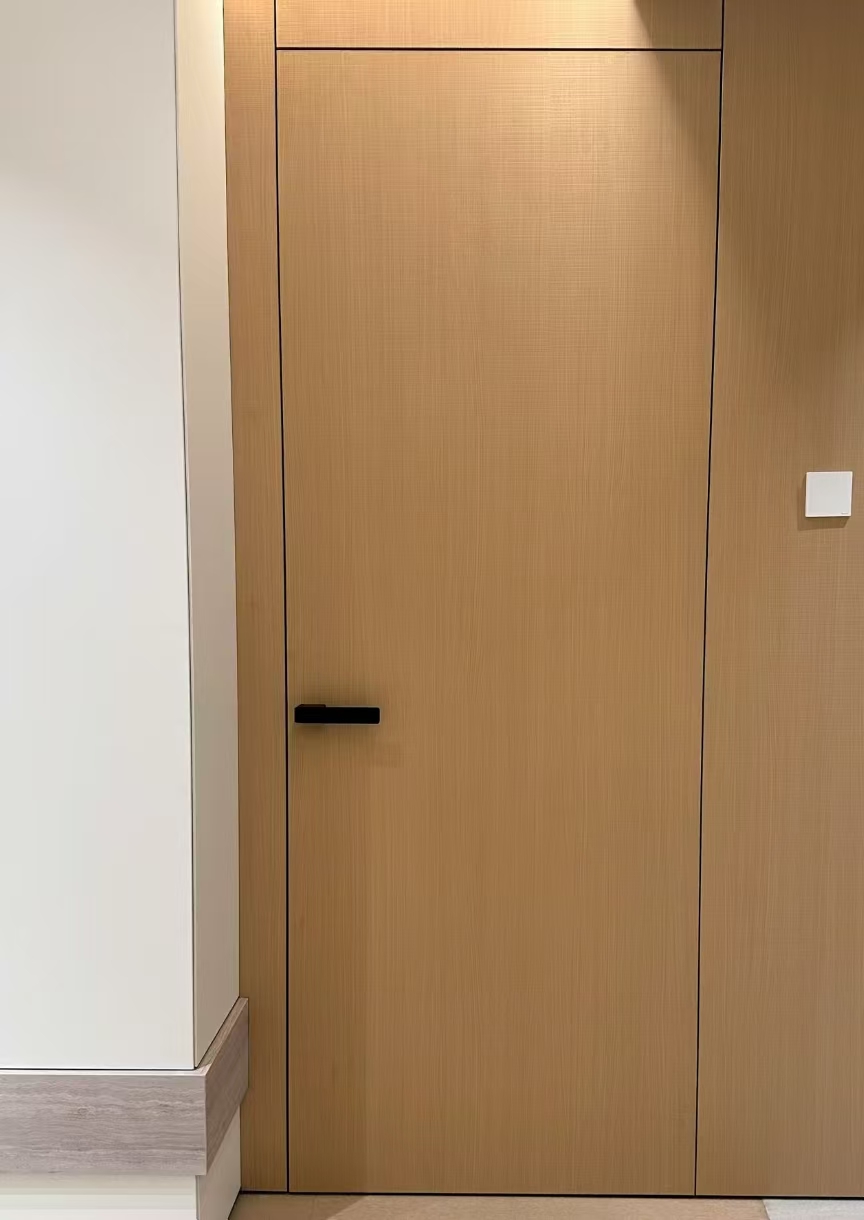
WPC boards have an extensive range of applications across residential and commercial projects. Outdoors, they are widely used for decking, patio flooring, garden fencing, outdoor wall cladding, landscape pergolas and poolside paneling. Indoors, they serve as wall panels, ceiling boards, furniture components, kitchen and bathroom cabinetry, door frames and wardrobes, thriving in moisture-prone areas like bathrooms, kitchens and laundry rooms where traditional wood materials are prone to damage. They are also a popular choice for public spaces, commercial complexes and hospitality venues due to their heavy-duty performance and long service life.
In summary, WPC boards represent a forward-thinking solution in modern building materials, merging sustainability, durability, aesthetics and practicality. As a superior substitute for traditional wood, they continue to replace conventional lumber in an increasing number of applications, meeting the evolving needs of green construction and high-quality design, and establishing themselves as an indispensable material in contemporary building and decoration projects