






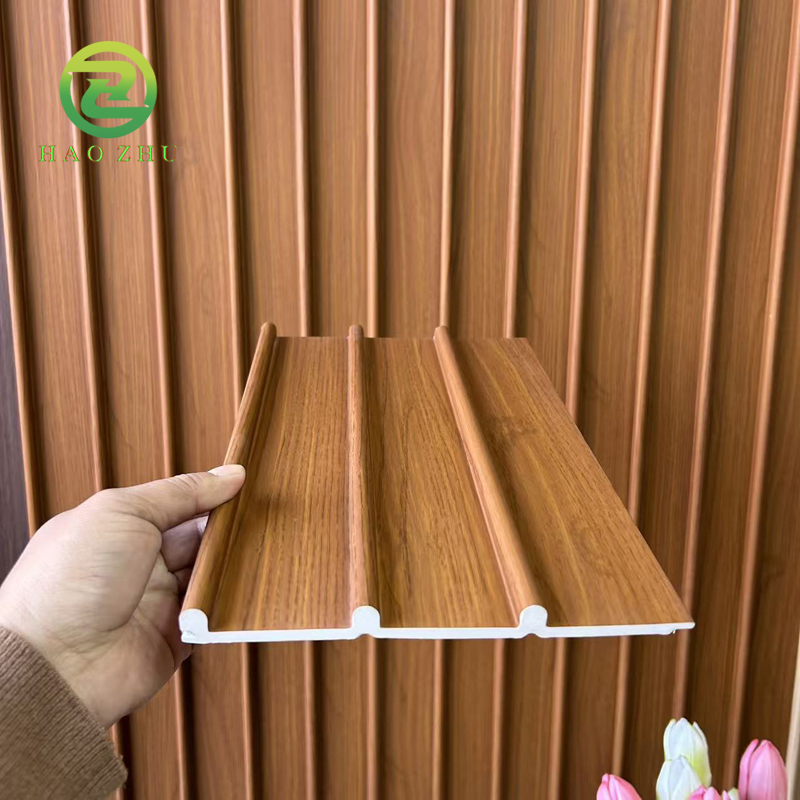
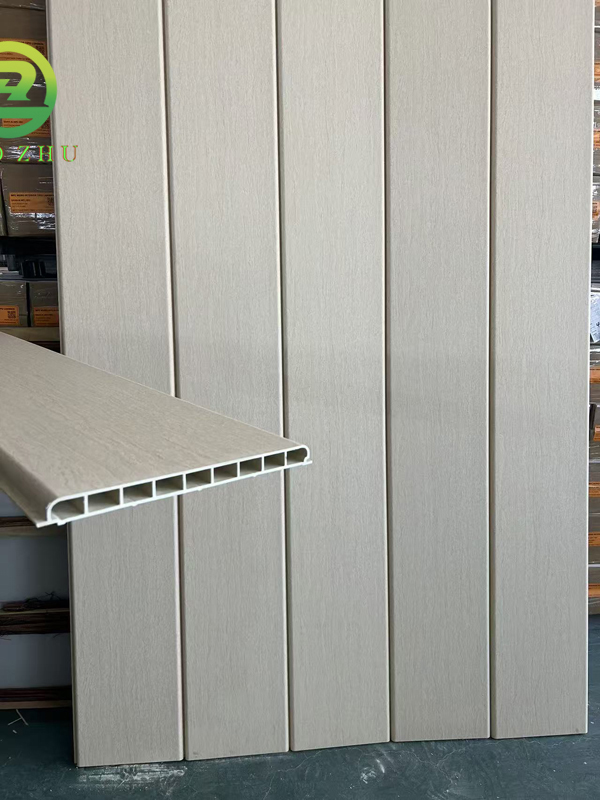

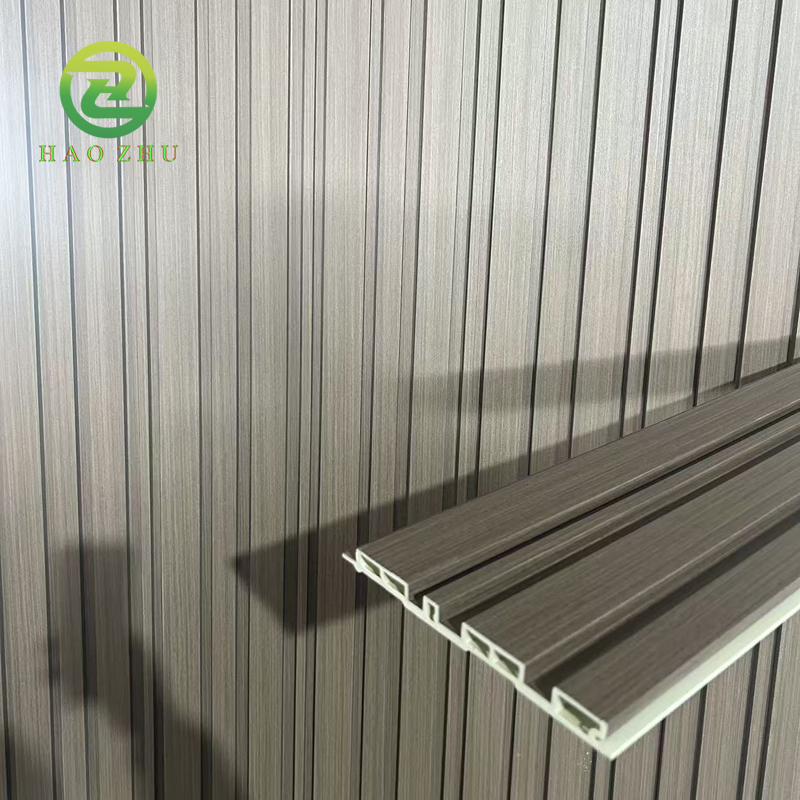
How to identify the quality of WPC panels? Haozhu Factory teaches you.
When assessing the quality of aWood Plastic Composite (WPC) panel, several key factors should be considered. WPC panels are commonly used for decking, flooring, cladding, and furniture because they combine the natural look of wood with the durability of plastic. Here’s a breakdown of the key quality assessment criteria:
1. Material Composition and Ratio
Wood-to-Plastic Ratio: WPC panels are typically made from a mix of wood fibers (or sawdust) and plastic (often HDPE or PVC). The wood content should generally be between 50-70%, as this offers the right balance of strength and durability.
Plastic Quality: Higher-quality plastic, such as HDPE (high-density polyethylene), tends to offer better water resistance and durability compared to lower-quality plastics. PVC is another common option but can be more prone to brittleness.
Additives: Check for the inclusion of UV stabilizers, anti-fungal agents, or anti-oxidants. These additives help in preventing degradation from exposure to sunlight, moisture, and mildew.
2. Surface Finish and Aesthetics
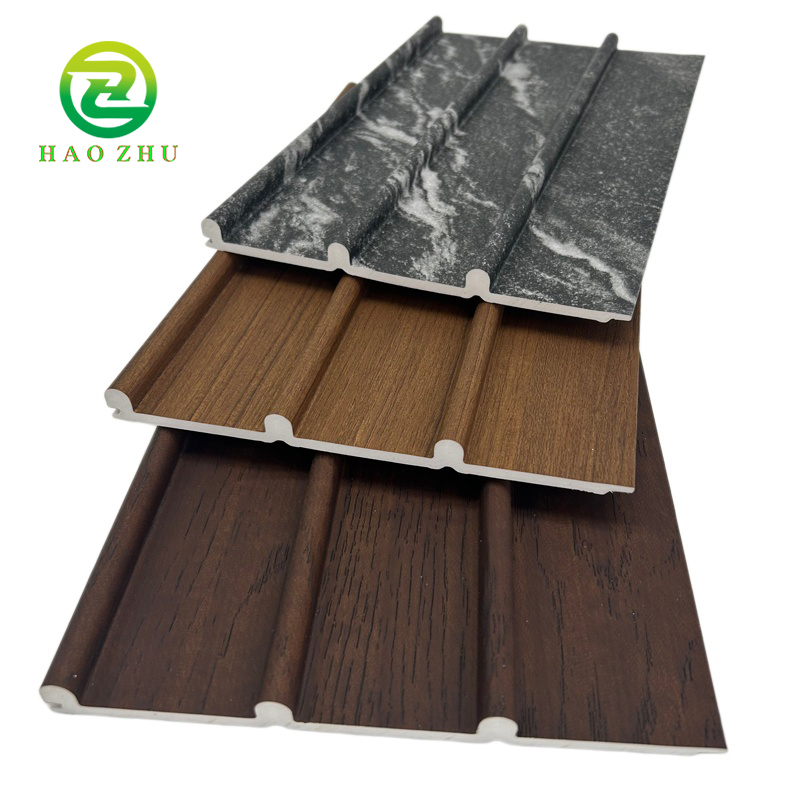
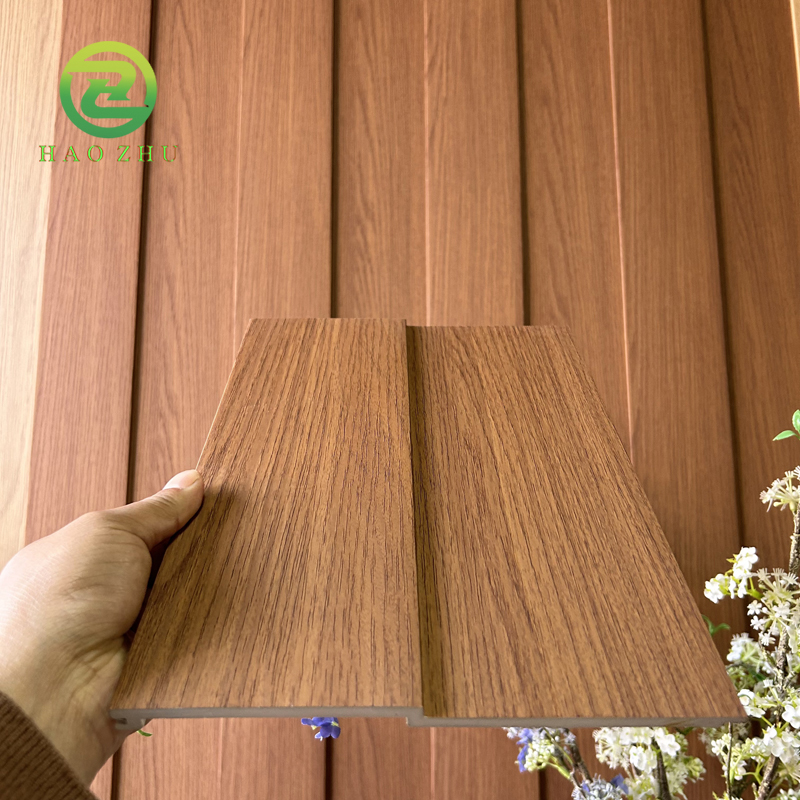
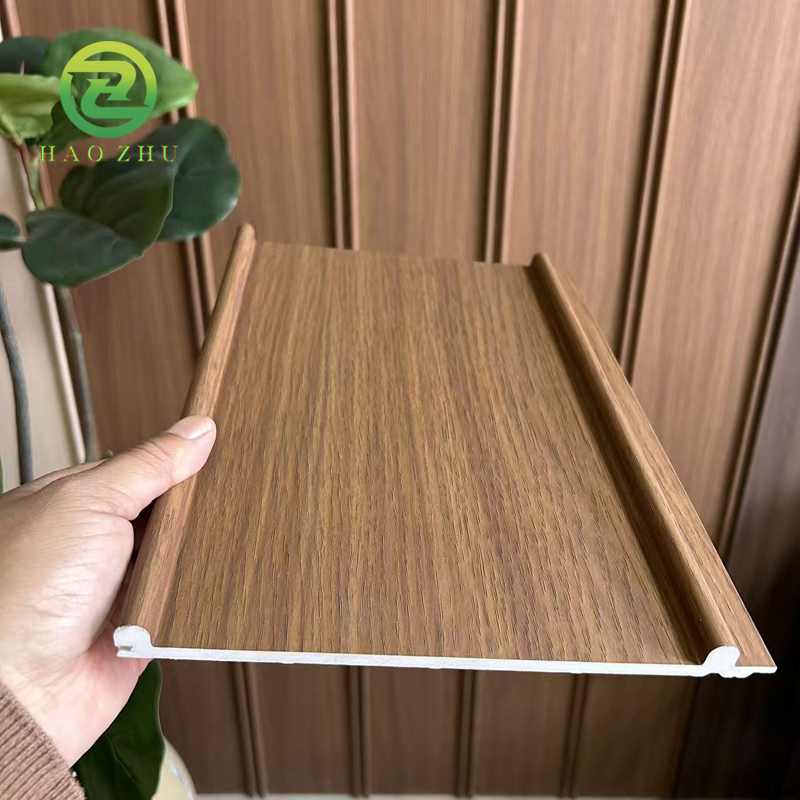
Appearance: High-quality WPC panels should have a consistent surface texture. The finish should mimic the look and feel of real wood, with no noticeable plastic sheen or rough patches.
Color Uniformity: Ensure the color is consistent across the entire panel. Discoloration or uneven coloring can indicate poor manufacturing.
Surface Texture: The surface should feel smooth and pleasant to the touch. Panels that feel rough or have visible inconsistencies may indicate lower quality or poor manufacturing processes.
3. Strength and Durability
Flexural Strength: Test the strength of the panel to withstand bending or twisting forces. A good WPC panel should be able to support weight without bending excessively or cracking.
Impact Resistance: WPC panels should be resistant to impact damage, such as dents or cracks, particularly when subjected to heavy weight or sudden force.
Compression Resistance: The panel should not compress easily under pressure. Quality WPC will retain its form and resist warping or deforming over time.
4. Water and Moisture Resistance
Water Absorption: WPC panels are often used in areas exposed to water (like outdoor decking or cladding), so they should be resistant to water absorption. Panels that absorb too much moisture can swell, warp, or degrade over time.
Anti-Slip Properties: For outdoor uses, especially decking, the panel should provide a safe, anti-slip surface even when wet. Check for textured or ribbed surfaces to reduce slipping risk.
5. UV Stability
UV Resistance: Exposure to sunlight can cause fading, warping, and surface degradation in WPC materials. High-quality WPC panels are treated with UV inhibitors to prevent such damage and maintain their color and appearance over time.
Fade Resistance: Check the panel’s ability to resist fading when exposed to sunlight. Panels that fade significantly after a short period may not be of high quality.
6. Environmental Resistance
Fungal and Mold Resistance: Ensure the panels are resistant to mold and mildew growth, which can occur in humid environments or areas with poor ventilation.
Termite Resistance: WPC panels should be resistant to termites and other pests that can cause damage to traditional wood materials.
7. Weight
Density: WPC panels should have a good balance between weight and strength. A panel that is too heavy could be difficult to install, while a panel that is too light could be weak and prone to breakage.
8. Ease of Installation
Interlocking System: Check the interlocking mechanism (if applicable). High-quality WPC panels will have a solid, secure interlock system that ensures easy installation with minimal gaps.
Cutting and Handling: WPC panels should be easy to cut, handle, and install without excessive dust or splintering.
9. Certifications and Standards Compliance
ISO and ASTM Certifications: Look for certifications such asISO 9001(quality management) or compliance withASTMstandards (especially ASTM D7031 for wood-plastic composites). These certifications assure that the panels meet certain quality and environmental standards.
Sustainability Certifications: Many manufacturers also provide information on the sustainability of their WPC materials. Certifications likeFSC (Forest Stewardship Council)for wood content or environmental certifications likeLEEDcan indicate a more eco-friendly product.
10. Cost vs. Performance
Price vs. Quality: While not a direct measurement of quality, consider whether the price of the WPC panel aligns with its performance characteristics. Higher-quality materials typically come at a higher cost but are more durable, long-lasting, and require less maintenance.
Testing Methods (Optional)
If you have access to the panel and the proper tools, you can perform several simple tests:
Bend Test: Apply weight or pressure to the center of the panel and check for any bending or cracking.
Scratch Test: Use a sharp object to lightly scratch the surface and assess how easily it gets damaged.
Water Test: Place a small amount of water on the panel and observe whether it absorbs or evaporates quickly.
Impact Test: Drop a small weight onto the surface from a height to see if the panel cracks or dents.