






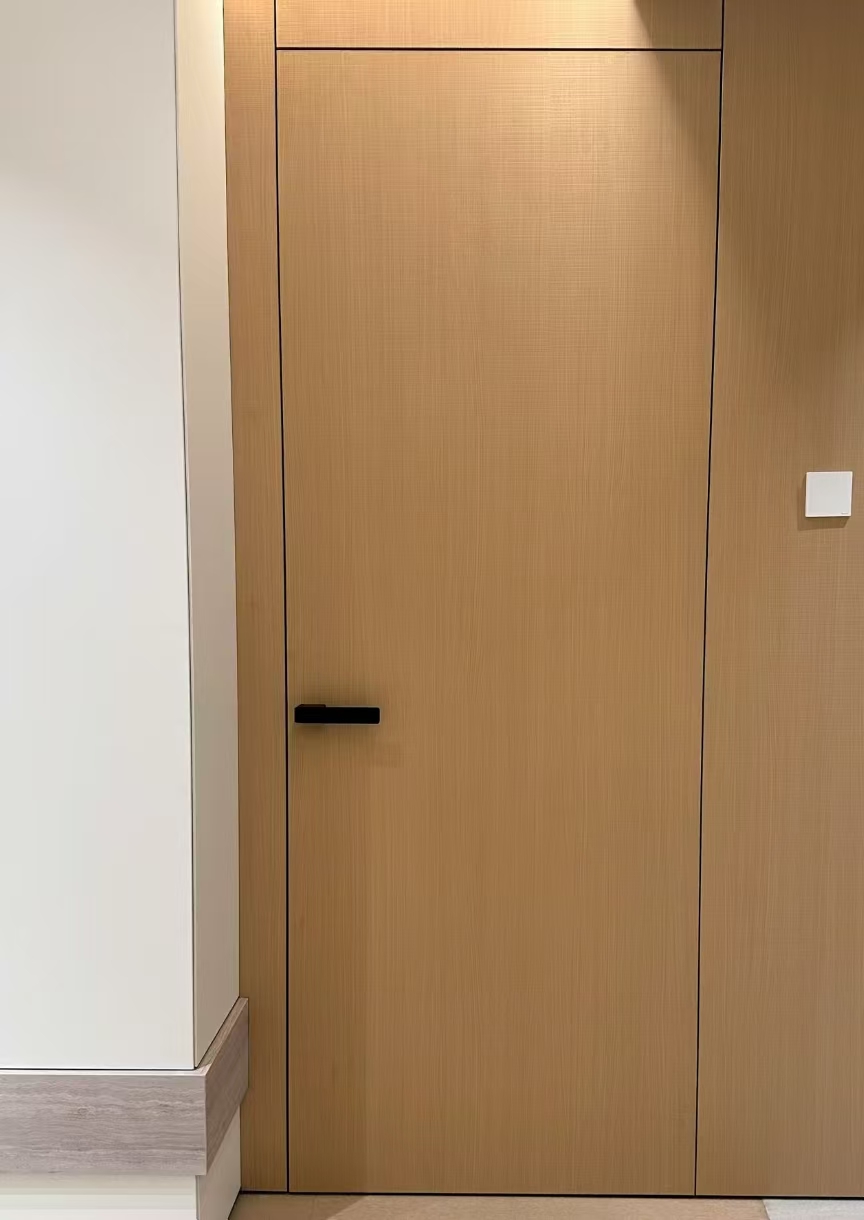
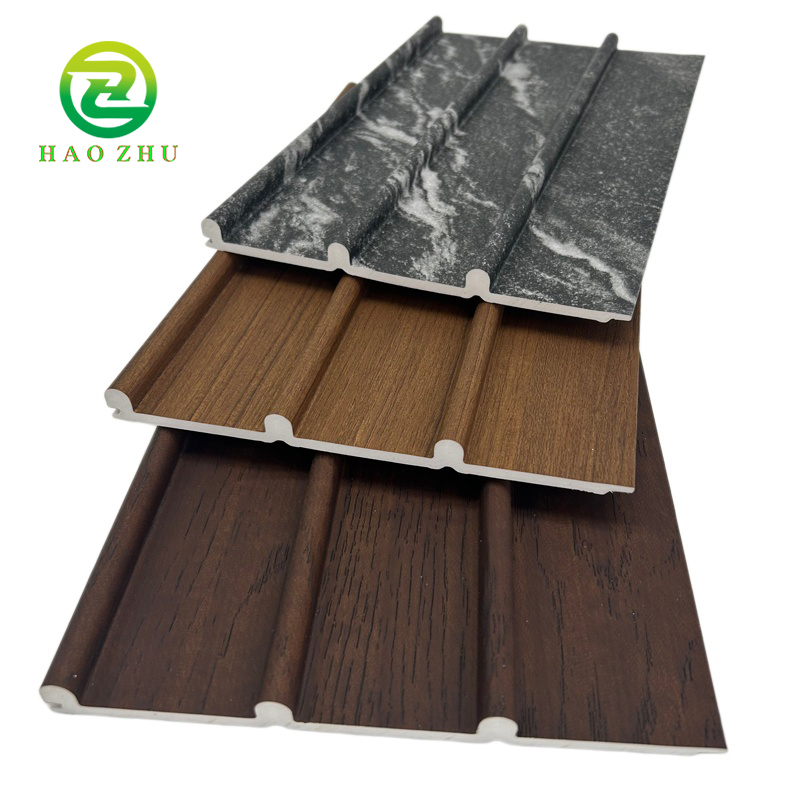
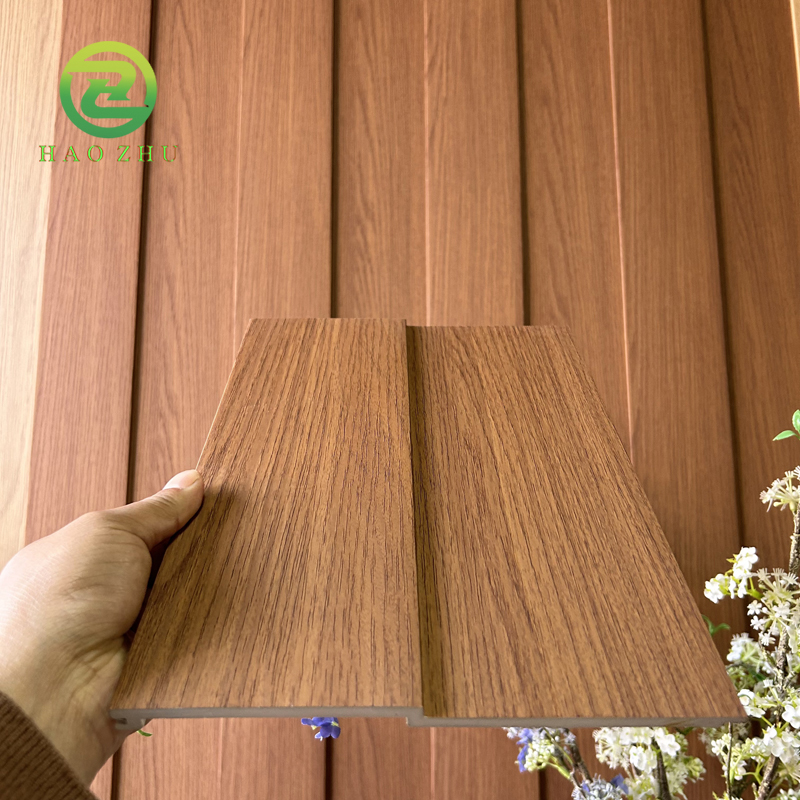
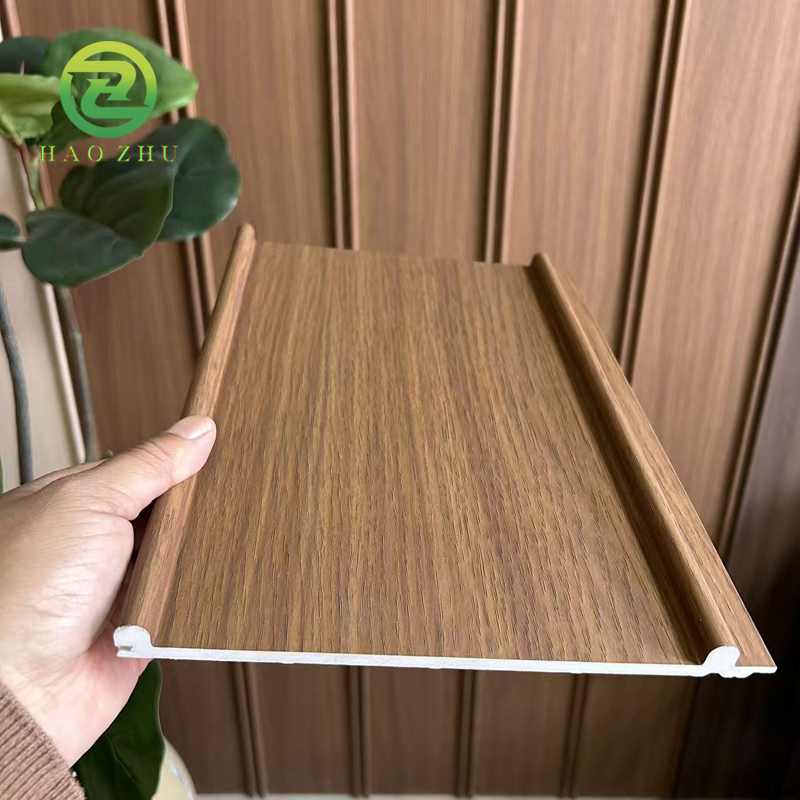
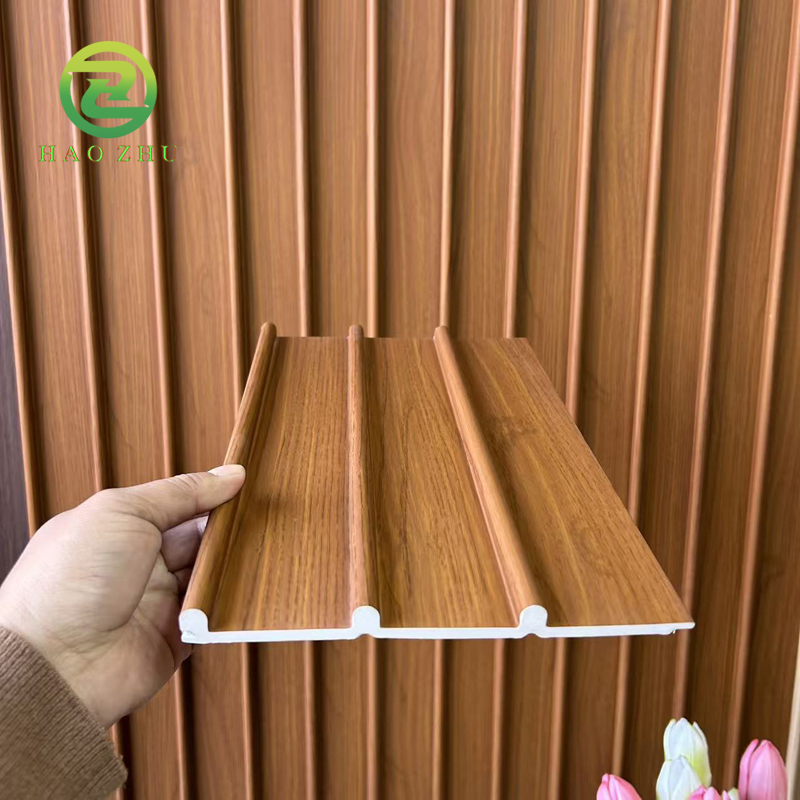
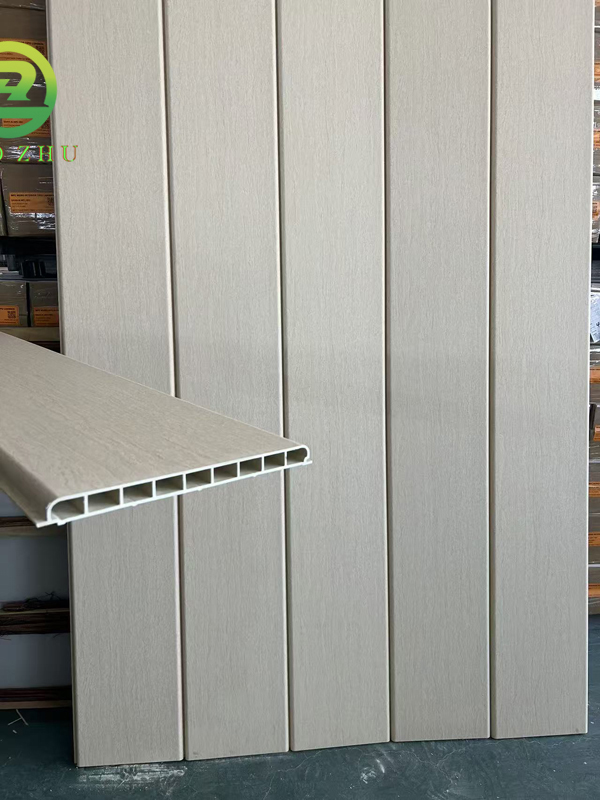

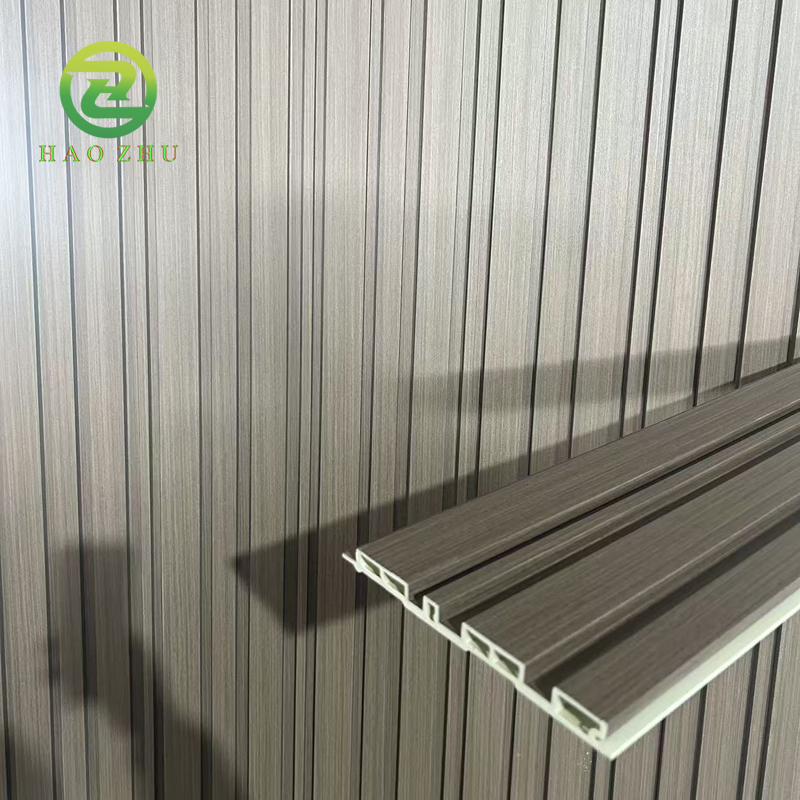
The latest WPC combination board is now available
Good — thanks for the heads-up that there’s a “latest WPC combination board” release. I can help unpack what that typically means today and highlight what’s trending in WPC (wood-plastic composite) boards.
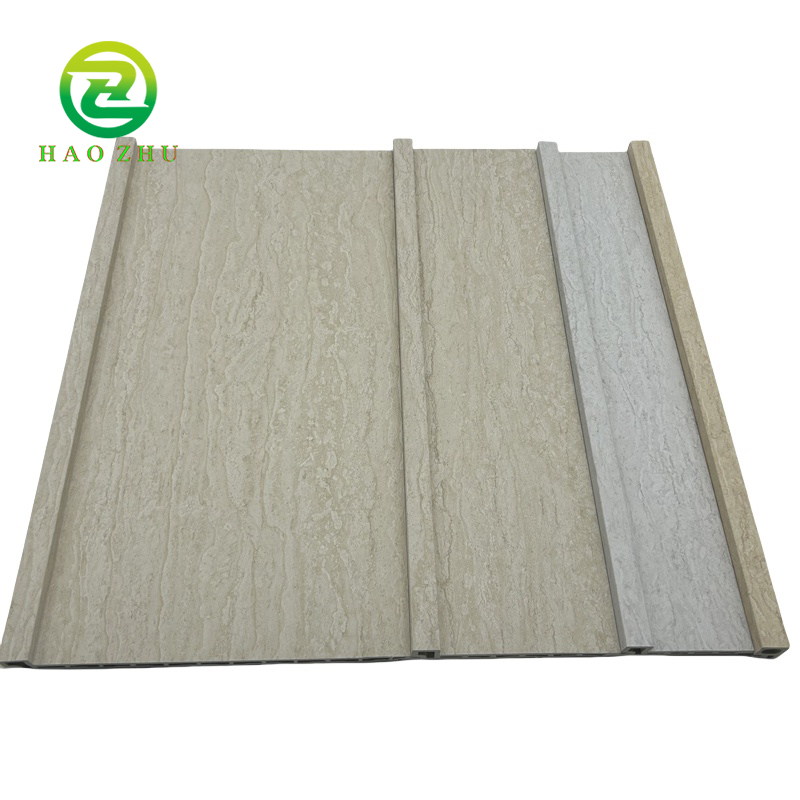
What is WPC / why it matters
“Wood‑Plastic Composite (WPC)” boards combine wood fibers (or wood flour) with thermoplastic (e.g. PE, PP, PVC) to produce a hybrid material that has many advantages over solid wood.
Compared with natural wood or conventional plywood: WPC boards are waterproof, rot-resistant, termite-resistant, and much less prone to warping or cracking — even in humid or outdoor environments.
denwud.com
oakio.com
They also can sport finishes mimicking natural wood grain or other textures, giving an attractive natural-wood look with low maintenance.
mexytech.com
hosungdeck.com
Hence, WPC boards are popular for decking, fencing, wall cladding, furniture, cabinets, exterior/interior wall panels, pool decks, patios — indoor and outdoor applications.
magicbricks.com
Everwood WPC
What “latest WPC combination board” might imply
If there’s a new WPC “combination board” on the market now, it likely reflects one or more of the following recent trends in 2025:
New combinations of wood/plastic formulations for better performance — e.g. improved moisture-resistance, stronger structural integrity, enhanced weatherproofing, or more eco-friendly material blends.
mexytech.com
sangnihome.com
Expanded use beyond decking: e.g. foam-core WPC boards (lighter, easier to handle) or boards optimized for wall cladding, partitions, or furniture.
SUNSHINE
wallong-wpc.com
Better surface finishes — such as more realistic wood-grain textures, co-extruded / capped coatings, UV resistance, scratch / stain resistance, and long-lasting colours.
hosungdeck.com
domipanel.com
Wider range of design and aesthetic options: from natural wood-look to bold colours, or textures suited for modern architectural / interior design.
makmore.com
hosungdeck.com
Sustainability: many WPC boards now make use of recycled wood fiber and plastic, reducing reliance on virgin timber, and contributing to greener building materials.
mexytech.com
Persistence Market Research
What that means for you in practice
If you’re considering using the “latest WPC combination board” (or planning a renovation / build / decking cladding / furniture project), this could be a great time to:
Choose WPC over natural wood or traditional plywood — for outdoor decks, balconies, poolside, patios, or humid interiors (bathrooms, kitchens).
Explore designs with realistic wood-grain finishes but without the maintenance. Especially good for low-maintenance outdoor spaces or design-forward interiors.
Opt for boards with capped/co-extruded surfaces or enhanced coatings if you expect heavy wear, moisture exposure, or need durability under sun/rain.
Use WPC for not only flooring/decking — but also wall panels, partitions, furniture, and other installations where durability + aesthetics + ease-of-maintenance matter.
Consider environmental benefits: many WPC boards use recycled materials and can reduce cutting of real wood.
Market & Industry Context
The market for WPC is growing: the global wood-plastic composite market is expected to expand significantly from 2025 through 2032 — driven by rising demand for sustainable building materials and versatility of WPC in construction, furniture, and landscaping.
Persistence Market Research
Recent product lines emphasize both performance and style: modern composite decking/boards are designed to look like real timber but are engineered for durability, weather resistance, low maintenance, and longevity.
Everwood WPC