






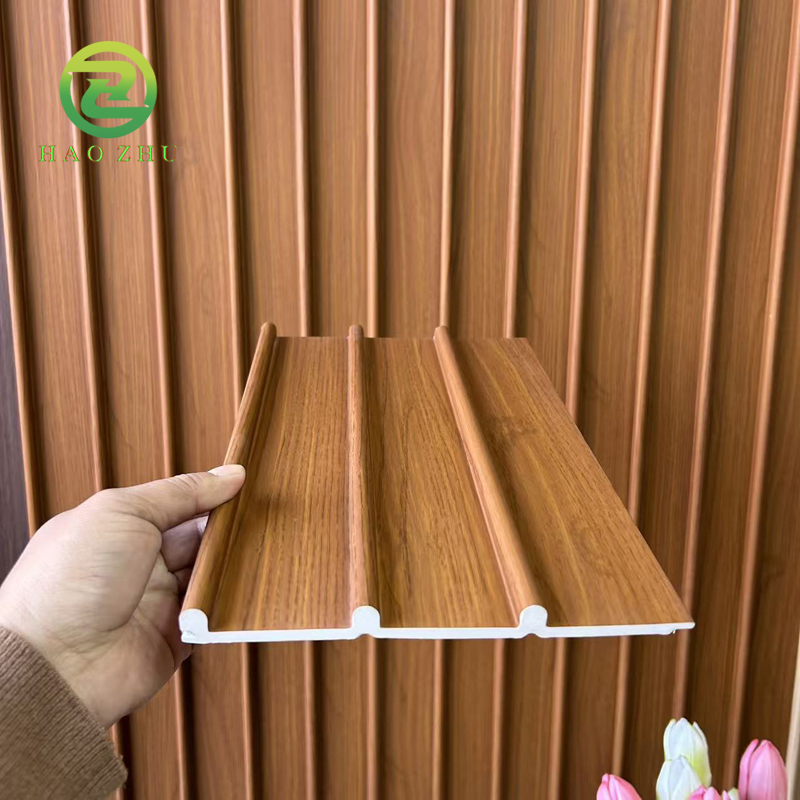
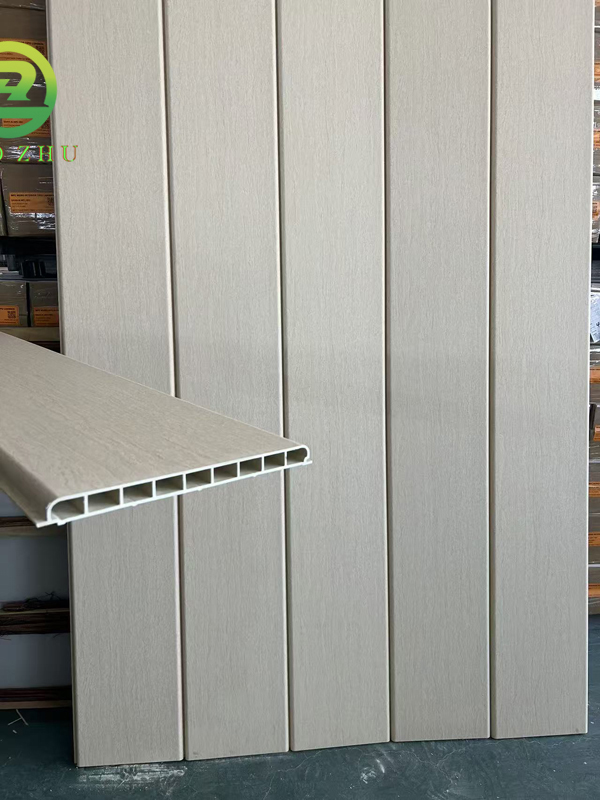

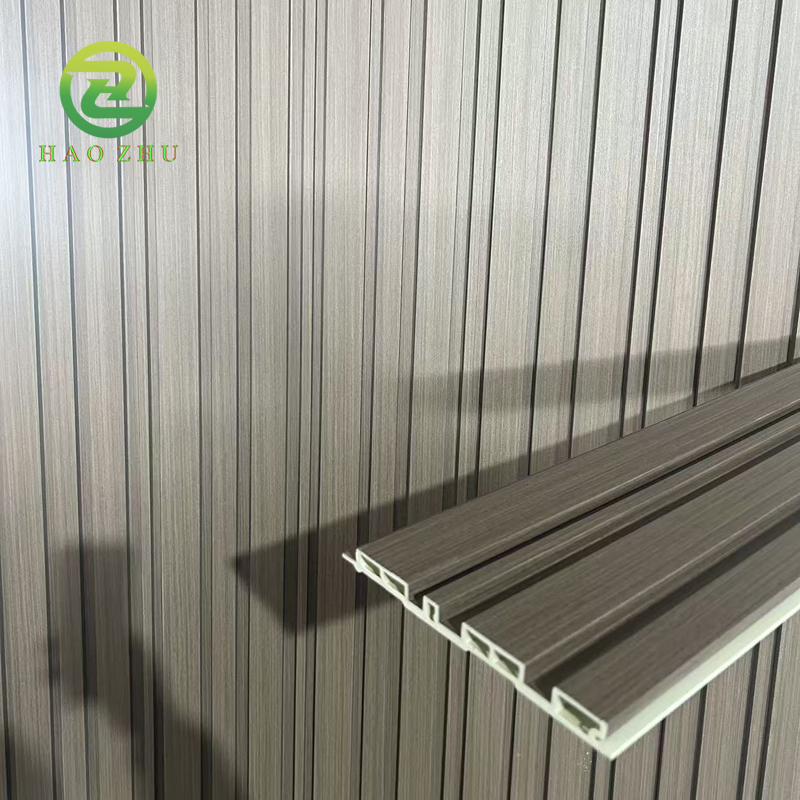
Here is a clear, professional introduction to decorative moldings for PVC foam boards
Introduction to Decorative Moldings for PVC Foam Boards
Decorative moldings made from PVC foam board (Polyvinyl Chloride Foam Board) are widely used in modern interior design due to their lightweight structure, durability, and ease of installation. Produced through an extrusion process, these moldings offer a smooth surface, stable performance, and excellent resistance to moisture and insects—making them an ideal alternative to traditional wood trim.
Key Features
Lightweight & Easy to Install
PVC foam moldings are significantly lighter than wood, allowing for effortless cutting, nailing, and gluing during installation.
Moisture & Termite Resistant
PVC does not absorb water and is naturally resistant to rot, mold, and insect damage, making it suitable for kitchens, bathrooms, and humid environments.
Smooth Surface for Painting or Laminating
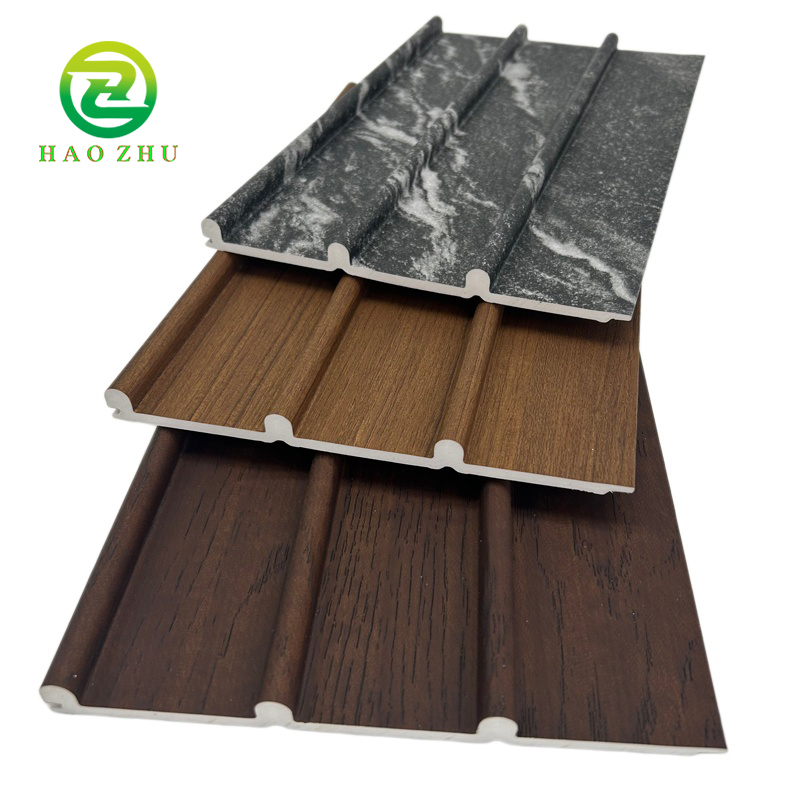
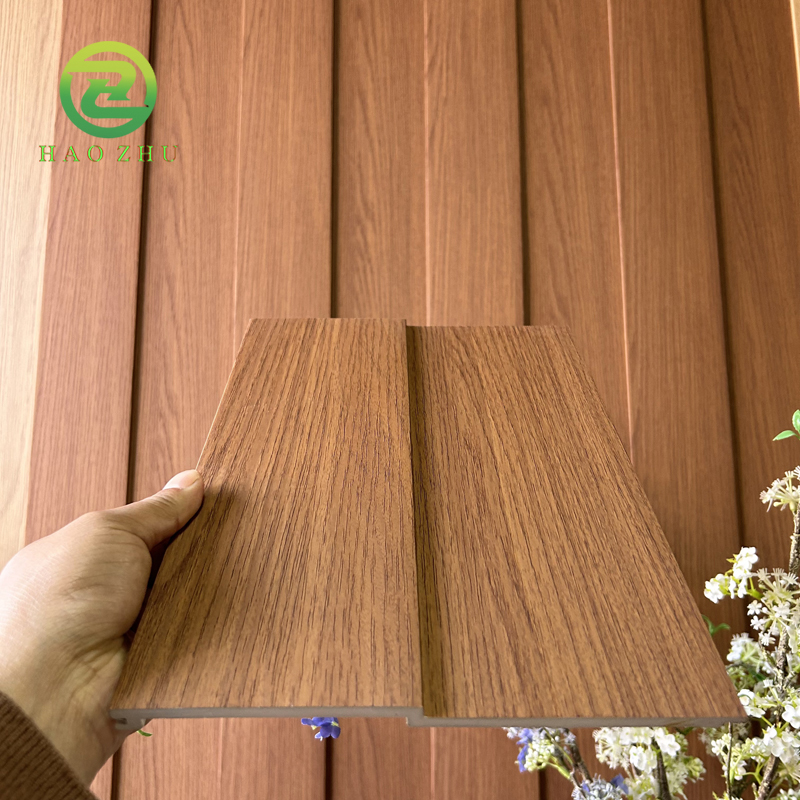
The surface can be painted directly or laminated with decorative films to achieve wood-grain, marble, or solid-color effects.
High Durability
The foam structure provides strength while maintaining elasticity, making the moldings resistant to cracks and deformation.
Common Applications
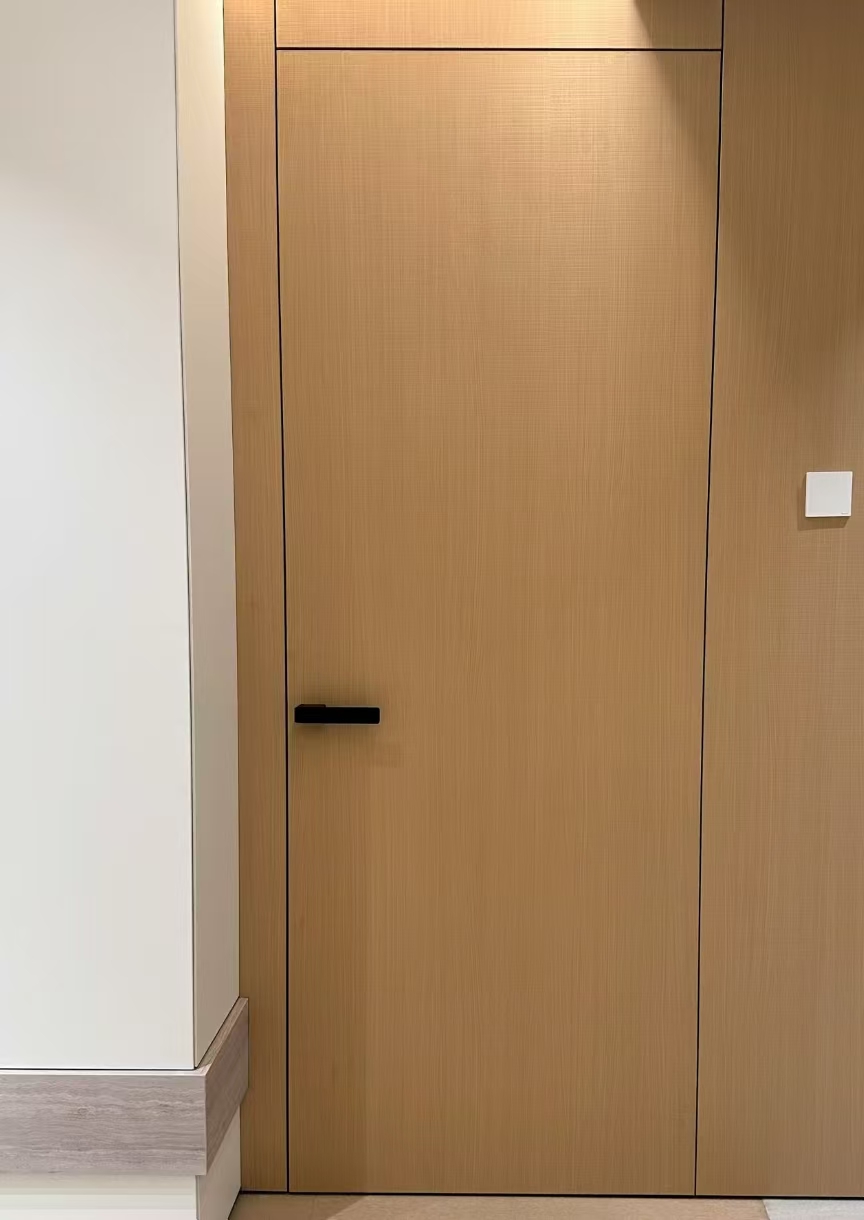
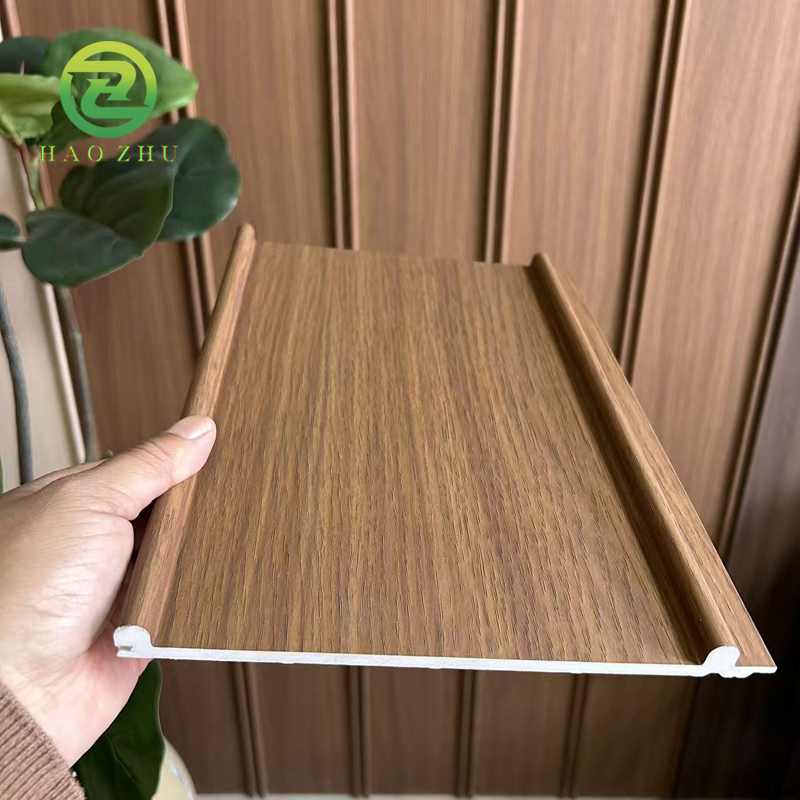
Wall panel edge trims
Door and window casings
Ceiling and floor skirtings
Corner trims and decorative profiles
WPC/PVC panel joints and connectors
Advantages Compared to Wood Moldings
No warping or cracking
Lower maintenance cost
Consistent dimensions and finish
Fire-retardant (depending on formulation)
More cost-effective and long-lasting
Production Summary
PVC foam decorative moldings are typically produced by:
Compounding (PVC resin + additives)
Extrusion foaming process
Cooling and shaping
Cutting to size
Surface finishing (sanding, coating, lamination, or printing)