







Haozhu WPC manufacturer analyzes how to choose different models of grating panels
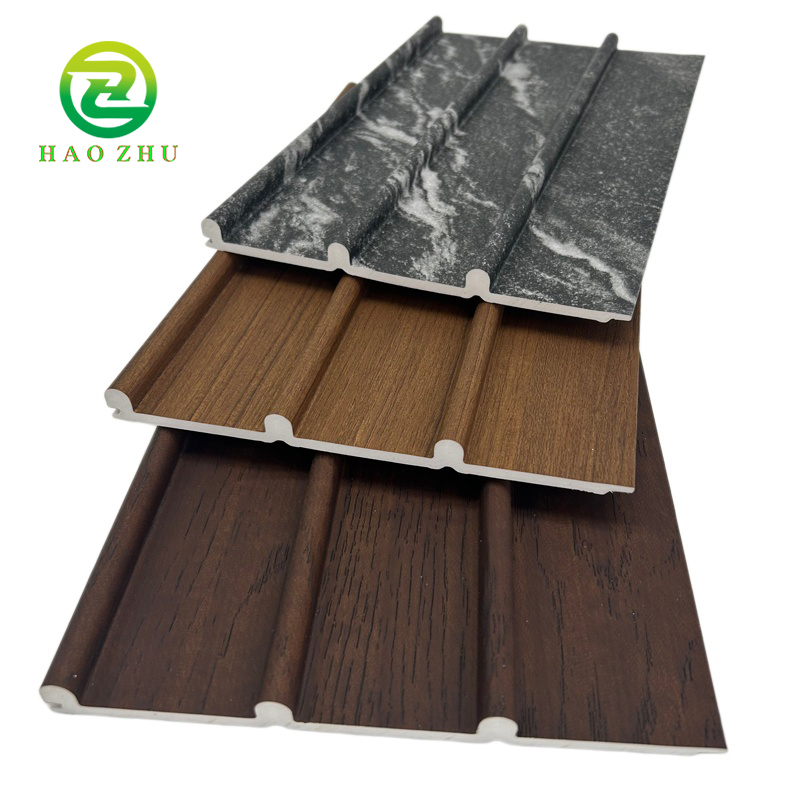
WPC (Wood-Plastic Composite) grilles are available in varioussizes, thicknesses, hollow/solid structures, and shapes (square, rectangle, slat type). Different models serve different applications. Below is a systematic comparison.
1. By Grille Size / Dimension (e.g., 30×30mm, 40×80mm, 50×100mm, 168×24mm, etc.)
Large-Size WPC Grilles (e.g., 50×100mm / 60×80mm / 168×24mm)
Advantages
Strong visual impact— Suitable for hotels, halls, commercial decoration.
Better coverage— Fewer pieces needed per square meter.
Higher rigidity— Not easy to deform.
Great for ceilings and feature walls— Good shading effect.
Disadvantages
Higher price per piecedue to more material.
Heavier– more difficult to install on ceilings.
Not suitable for small rooms (may feel oppressive).
Recommended use
Shopping malls
Hotel lobbies
Office reception areas
Large living rooms
High ceilings
Medium-Size WPC Grilles (e.g., 40×60mm / 45×90mm)
Advantages
Balanced between appearance and cost.
Easy to install, widely compatible with various styles.
Good airflow and heat dissipation for ceilings.
Disadvantages
Less “premium” looking compared to large grilles.
Some models may have weaker load-bearing capability.
Recommended use
Homes
Restaurants
Retail shops
Schools and offices
Small-Size WPC Grilles (e.g., 30×30mm / 25×40mm slats)
Advantages
Lightweight, easy to cut and install.
Very suitable fordense ceiling layouts.
Cost-effective.
Good for minimalist designs.
Disadvantages
Weaker structural strength.
Not suitable for large spans or very tall spaces.
Recommended use
Small apartments
Meeting rooms
Corridors
DIY installation customers
2. By Structure (Hollow vs Solid)
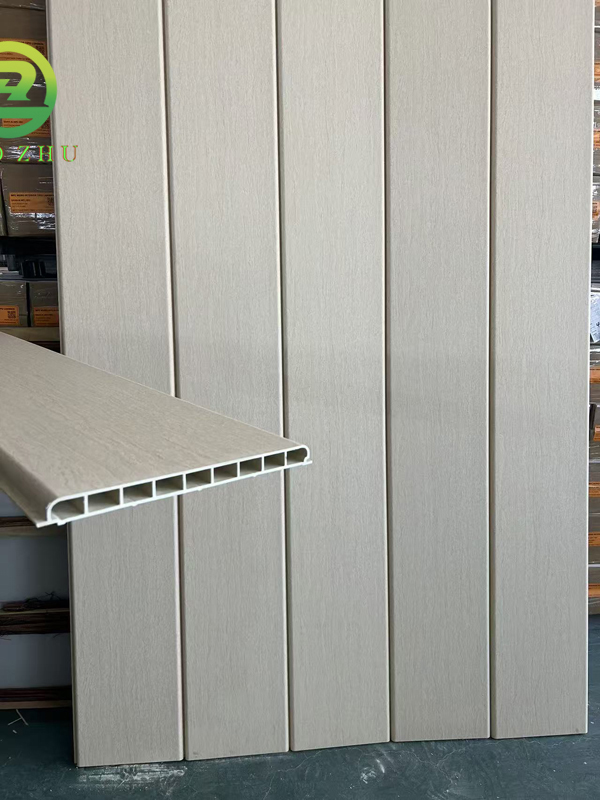
Hollow WPC Grilles
Advantages
Lightweight, easier for ceiling installation.
Lower cost.
Good sound absorption.
Less strain on ceiling frames.
Disadvantages
Lower impact resistance.
Not suitable for harsh outdoor environments.
Can deform under high heat if unsupported.
Best for:indoor ceilings, partition decoration.
Solid / High-Density WPC Grilles
Advantages
High strength and durability.
Suitable for outdoor or semi-outdoor use.
Better screw-holding capacity.
More premium feel.
Disadvantages
Expensive.
Heavy — requires strong frames.
Best for:outdoor facades, commercial walls.
3. By Shape and Design
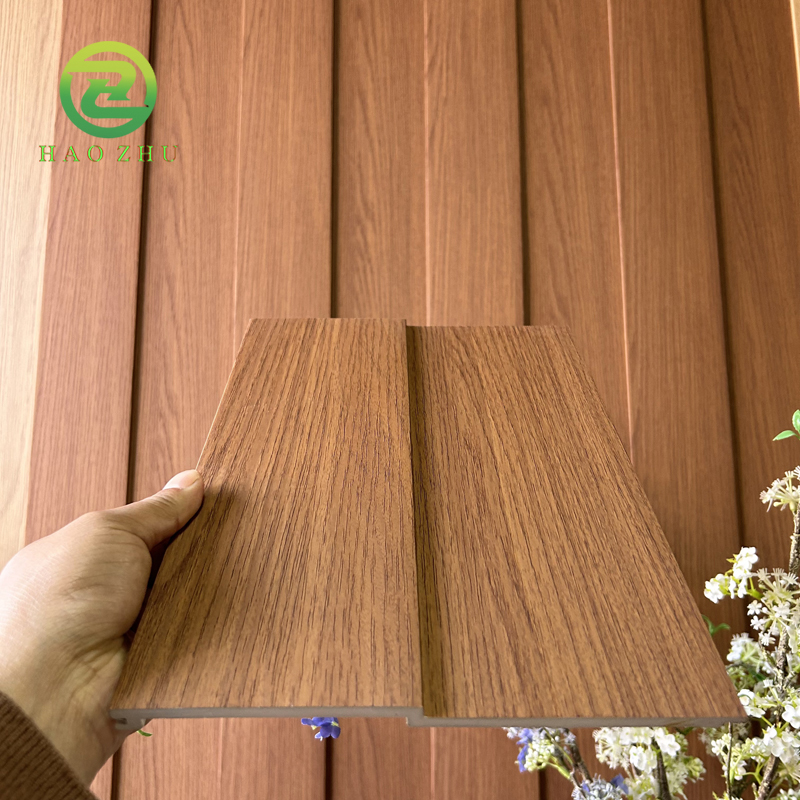
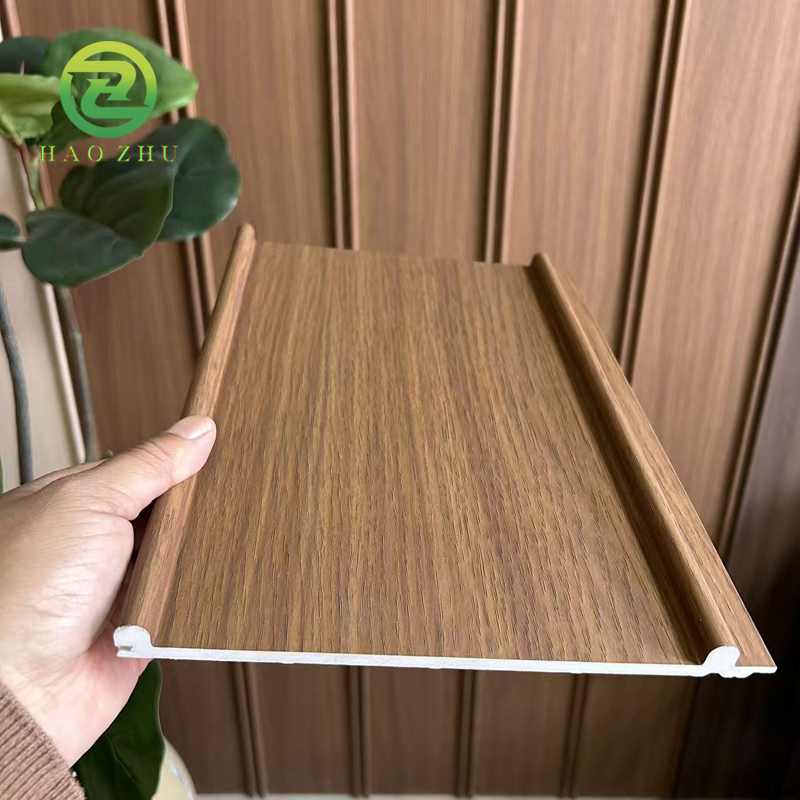
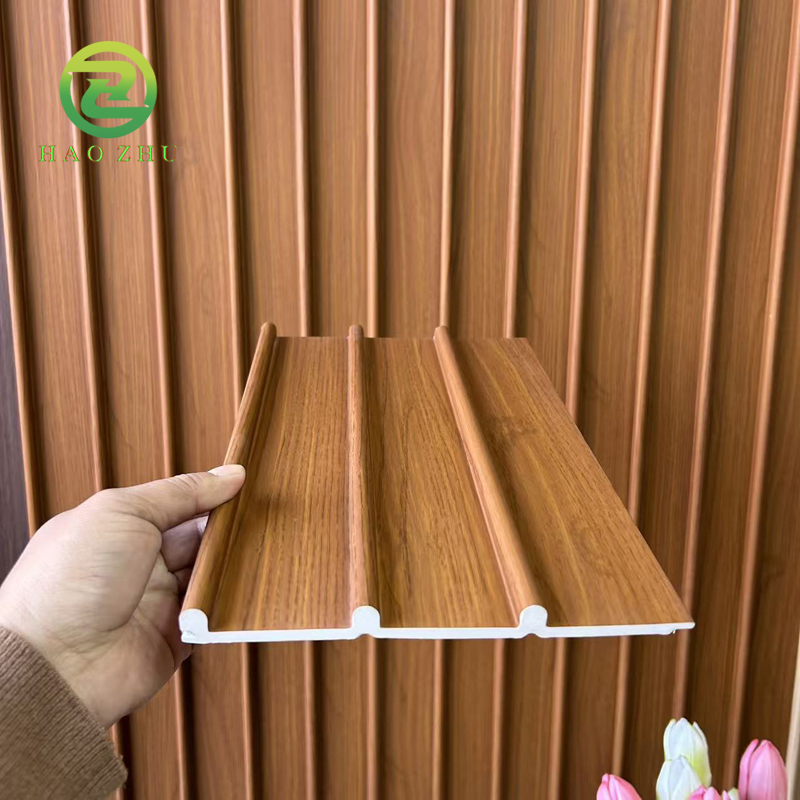
Flat Slat Type (e.g., 168×24mm)
Advantages
Modern, simple, widely popular.
Excellent for creating clean lines on walls.
Easier to join seamlessly.
Disadvantages
Limited depth effect compared to box-type grilles.
Common use:walls, TV background, commercial decor.
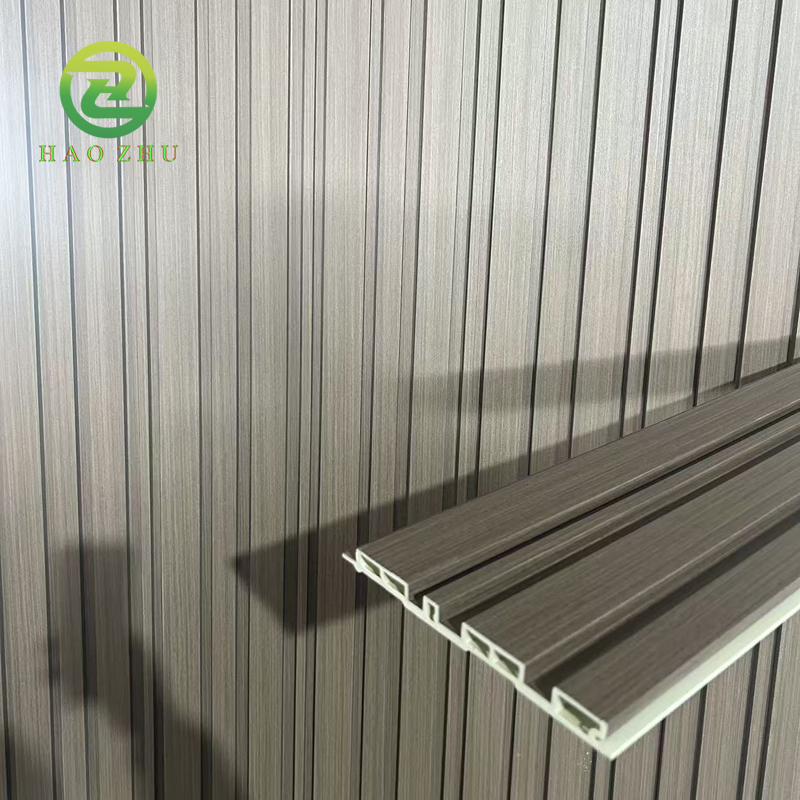
Box or Tube-Type Grilles (square/rectangular)
Advantages
Strong 3D effect.
Better visual layering.
Works well in premium or luxury designs.
Disadvantages
Higher manufacturing difficulty → higher price.
More complex installation.
Common use:ceilings, hall features, large public projects.
4. By Application
Grilles for Ceilings
Should be lightweight (preferhollow structure).
Medium or small size models recommended.
Fireproof grade important for commercial use.
Grilles for Walls / Facades
Solid or thick-walled models preferred.
Larger size provides better visual effect.
UV-resistant surface needed for outdoor areas.